Focused arrival windows
Useful updates and clear arrival timing.
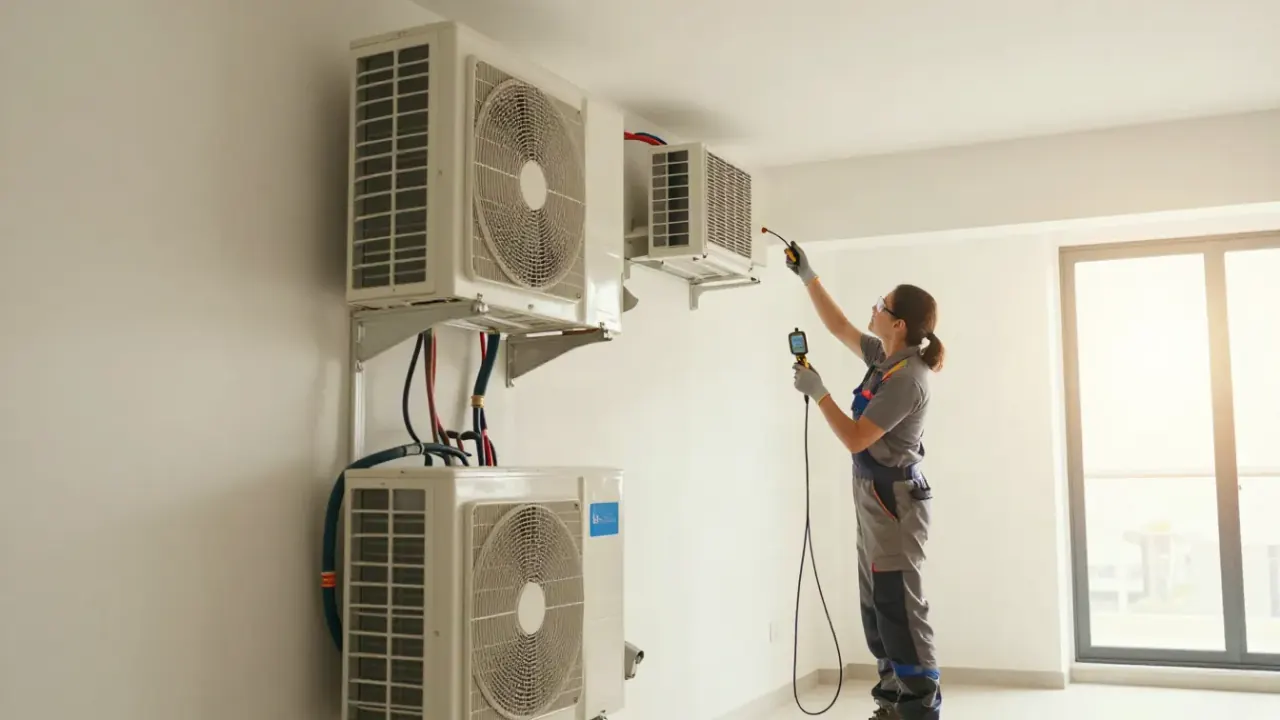
Mini Split Repair in Fulshear means fixing the unit, not just the symptom. We work on every major brand, from Mitsubishi Electric and Daikin to LG and Pioneer, and we carry the manifold gauge sets, vacuum pumps, and R-410A and R-32 refrigerant to finish most jobs in one visit. From Cross Creek Ranch to Fulshear Lakes, we know these systems because we service them every week.
Useful updates and clear arrival timing.
Review the approach and price before deciding.
Equipped vehicles and respectful cleanup.
Neighbors serving neighbors with follow-through.
Mini Split Repair in Fulshear is what we do every day, and it shows in how fast we diagnose a system that will not cool. We serve Cross Creek Ranch, Fulshear Lakes, Weston Lakes, Fulbrook, Polo Ranch, and Creekside, plus the new construction going up across Fort Bend County. Fulshear is one of the fastest-growing suburbs in Texas, and most of the homes here run ductless systems from Mitsubishi Electric, Daikin, Fujitsu, or LG. That growth means two things: newer equipment that still needs proper commissioning, and older installs hitting the five-to-seven-year mark where refrigerant leaks and clogged condensate drain lines start showing up. We bring a leak detector, micron gauge, and clamp meter on every call, so we can tell you what is wrong before we quote the fix. If you searched for Mini Split Repair near Fulshear and want a straight answer, we give you one.
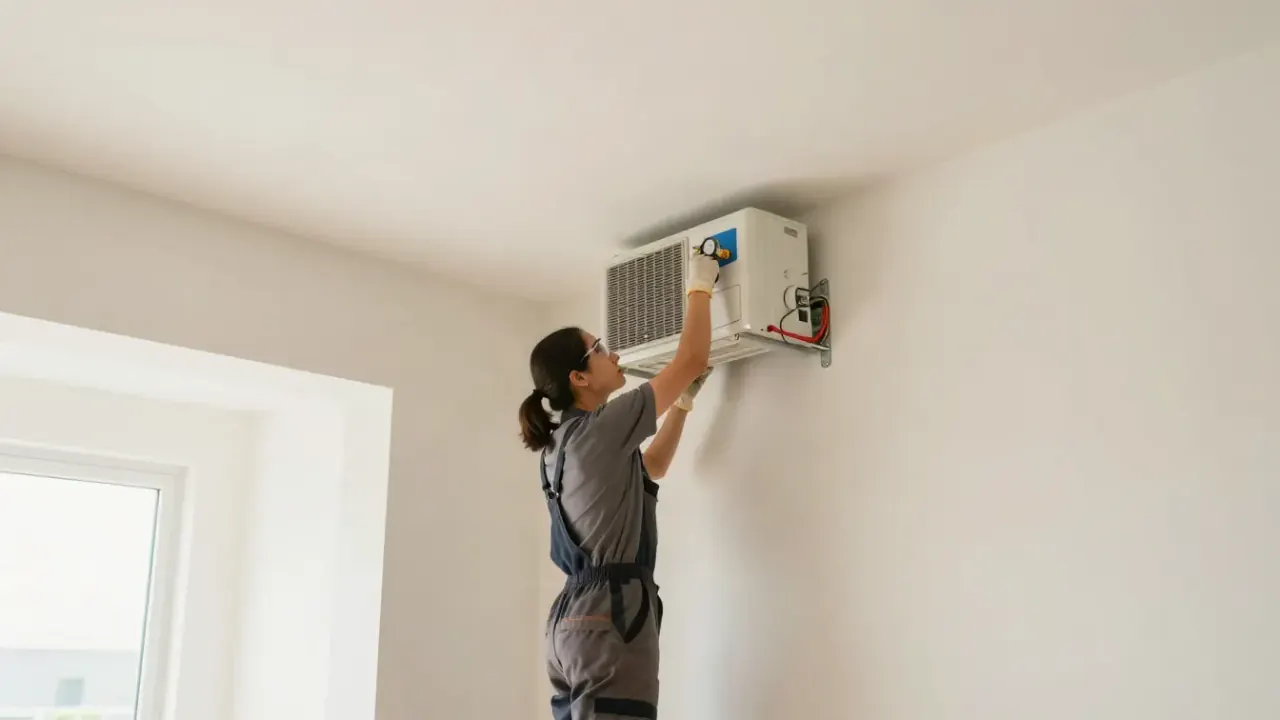
Fulshear homeowners call us for everything from a mini split not cooling in July to a frozen evaporator coil in January. Because the city is growing fast, we handle both new installs and repairs on systems that are five to ten years old. If you need Mini Split Repair in Fulshear near me, we cover the full list below and we stock the parts to finish most jobs same day.
A mini split not cooling in Fulshear usually means low refrigerant, a dirty coil, or a failing capacitor. We check the charge with a manifold gauge set, clean the evaporator and condenser coils with a coil cleaning pump, and test the capacitor with a clamp meter. Most no-cool calls in Cross Creek Ranch and Fulshear Lakes are fixed in one visit.
View service →02When a Fulshear mini split stops heating, we look at the reversing valve, defrost board, and refrigerant charge first. Heat pump systems in Weston Lakes and Fulbrook work harder in winter because of the damp cold, and a weak charge shows up as lukewarm air. We diagnose with a micron gauge and leak detector, then repair or recharge on site.
View service →03Refrigerant leaks are common in Fulshear's newer construction because flare fittings on long line sets loosen over time. We use a leak detector and nitrogen regulator to find the leak, repair the flare fitting or line set, pull a deep vacuum with a vacuum pump, and recharge with R-410A or R-32 to the manufacturer's spec. We weigh the charge, not guess it.
View service →04A frozen evaporator coil in Fulshear is almost always airflow or charge related. We see it in Polo Ranch and Creekside when filters are clogged or a blower motor is weak. We thaw the coil, clean it with coil cleaner, check the charge, and verify airflow so the ice does not come back next week.
View service →05Mitsubishi Electric, Daikin, and LG mini splits throw error codes that point to a specific fault, but the code is a starting point, not the answer. We pull the code, then test the circuit with a clamp meter and verify sensors and communication wiring. Fulshear customers get a clear explanation of what failed and what it takes to fix it.
View service →06Water leaking indoors from a mini split is a Fulshear staple because of Gulf Coast humidity. The condensate drain line clogs with algae and biofilm, and the drain pan overflows. We flush the line, clean the pan, add drain pan tablets, and check the slope so water leaves the house instead of staining your ceiling.
View service →07Compressor failure in a Fulshear mini split usually traces back to a long-running refrigerant leak or a failed capacitor. We test the compressor windings and start components with a clamp meter, recover refrigerant with a recovery machine if replacement is needed, and install the new compressor with new flare fittings and pipe insulation.
View service →08Fulshear's humidity and pollen load mean mini splits need cleaning more often than the manual suggests. We pull the blower wheel, clean the evaporator with coil cleaner, flush the condensate drain line, comb the condenser fins with a fin comb, and check the charge. Twice-a-year maintenance keeps these systems running past ten years.
View service →09Multi-zone systems are everywhere in Fulshear Lakes and Cross Creek Ranch, and when one zone fails the rest usually keep running. We diagnose the failed zone, check the branch box or valve, and test communication between the indoor and outdoor units. One bad zone does not mean replacing the whole system.
View service →Mini Split Repair in Fulshear runs on a few local realities. First, the humidity. Condensate drain lines here clog faster than in dry climates, so we flush and treat every drain line we touch. Second, the building stock. Cross Creek Ranch and Fulshear Lakes are full of newer homes with multi-zone systems and long line sets, and those flare fittings need to be torqued to spec or they leak. Third, the code. Texas requires EPA Section 608 certification to handle refrigerant, and we follow it on every recharge. We also work to TDLR licensing and AHRI certification standards on installs. When you call for emergency Mini Split Repair near Fulshear TX, we ask what the unit is doing, load the right tools, and head your way. Most Fulshear addresses are within a short drive of our Rosenberg shop, so we are often on site the same day.
Drain lines in Fulshear grow algae and biofilm within months, causing water to back up into the drain pan and leak indoors. This is one of our most common calls in Weston Lakes and Fulbrook. We flush every condensate drain line with a coil cleaning pump, add drain pan tablets to slow regrowth, and check the pan slope. If the line is badly scaled, we replace the section and test the full drain path before we leave.
Long refrigerant line sets in Fulshear Lakes and Cross Creek Ranch put stress on flare fittings. When they loosen, R-410A or R-32 escapes and the system loses capacity. We pressure-test with a nitrogen regulator, find the leak with a leak detector, then re-flare and torque the fitting with a torque wrench. After repair, we pull a vacuum with a micron gauge and weigh in the correct charge.
Some Fulshear homes have brand-new Mitsubishi Electric systems while the house next door runs a ten-year-old unit. Parts availability and repair approach differ, and we have to be ready for both. We stock common capacitors, flare fittings, and pipe insulation for the brands we see most: Mitsubishi Electric, Daikin, Fujitsu, LG, Samsung, Carrier, Trane, Bosch, Gree, and Pioneer. That lets us finish most repairs in one trip.
Any technician who adds or recovers R-410A or R-32 in Texas must hold EPA Section 608 certification. We follow it on every recharge and recovery, which protects you and the equipment.
Texas HVAC work falls under TDLR licensing rules. Hiring a licensed contractor in Fulshear means the work meets state requirements and you have recourse if something goes wrong.
Fulshear's climate and housing stock create a specific set of mini split problems. The Gulf Coast humidity, the fast growth, and the newer construction all play a role. Here are the four issues we fix most often in this city.
Fulshear's humidity feeds algae and biofilm growth inside condensate drain lines. Within a few months, the line narrows and water backs up into the drain pan. It is the single most common call we get from Cross Creek Ranch and Fulbrook. We flush the line with a coil cleaning pump, clear the pan, and add drain pan tablets to slow regrowth. We also check the slope and replace any sagging section of the drain line so water actually leaves the house.
New construction in Fulshear Lakes and Cross Creek Ranch often uses long refrigerant line sets. If the flare fittings were not torqued to spec at install, they loosen over time and leak R-410A or R-32. Vibration from the outdoor unit makes it worse. We pressure-test with a nitrogen regulator, pinpoint the leak with a leak detector, then re-flare and torque the fitting with a torque wrench. After the repair, we pull a deep vacuum with a micron gauge and weigh in the correct charge.
Fulshear homeowners sometimes run mini splits continuously through the summer and forget the air filters. A clogged filter restricts airflow, the coil temperature drops below freezing, and ice builds up. A weak blower motor causes the same problem. We thaw the coil, clean it with coil cleaner, and test the blower motor with a clamp meter. We replace the filter, verify airflow, and check the refrigerant charge so the coil does not freeze again the next week.
Multi-zone systems are standard in Fulshear's newer homes, and a single zone can fail from a bad expansion valve, a wiring fault, or a refrigerant distribution issue. The other zones keep running, so homeowners sometimes delay the call. We isolate the failed zone, test the branch box and valve, and check communication between the indoor and outdoor units. In most cases, we repair the single zone instead of recommending a whole-system replacement.
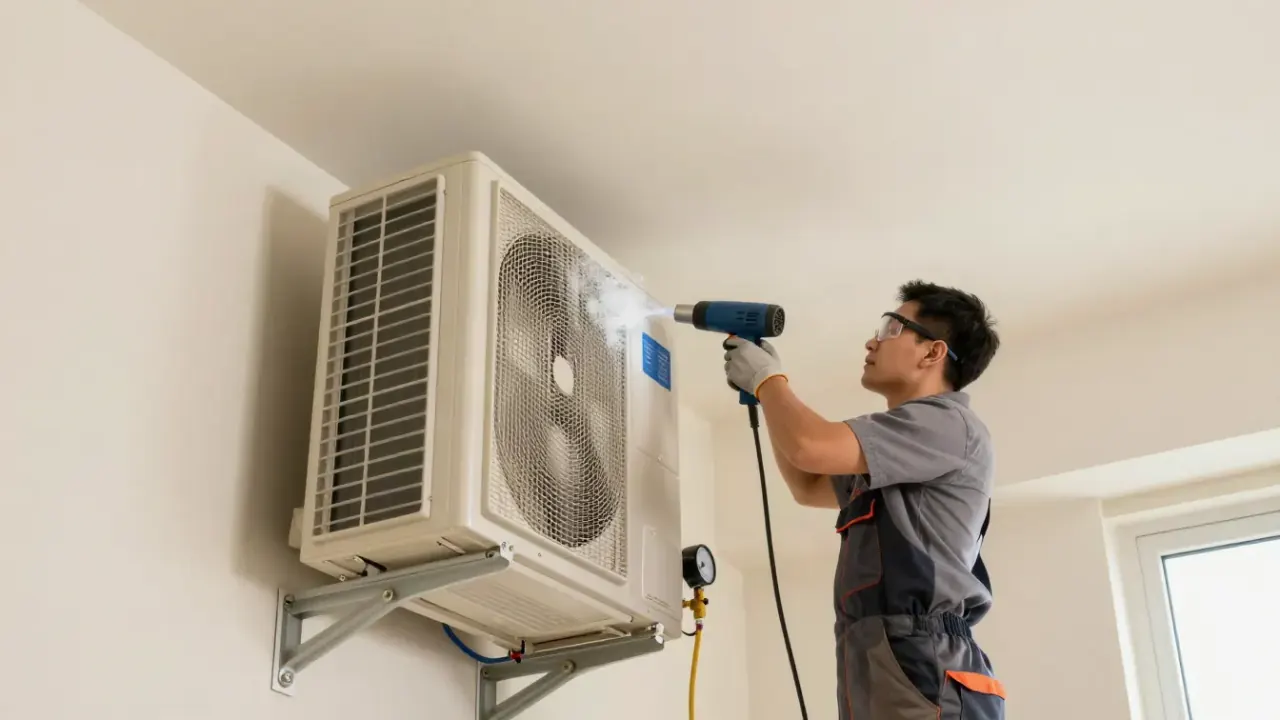
Mini Split Repair in Fulshear pricing depends on what is actually wrong. A basic diagnostic runs $89 to $129, and most common repairs land between $180 and $450. A refrigerant leak repair with recharge typically runs $350 to $700 depending on how much R-410A or R-32 the system needs. Compressor replacement is a bigger job, usually $900 to $1,800 with parts and labor. These are typical 2026 prices for this area. What pushes a bill up is access, refrigerant type, and whether the repair is on a single-zone or multi-zone system. We give you the price before we start, and we do not add charges you did not approve.
R-410A and R-32 cost different amounts, and a system that has lost its full charge needs more refrigerant than one with a small leak. Multi-zone systems hold more refrigerant, which raises the cost of a recharge in Fulshear homes.
A mini split mounted high on a wall in a two-story Fulshear home takes longer to access than a floor-level unit. We bring ladders and drop cloths, but tight spaces or vaulted ceilings add labor time to the job.
Mitsubishi Electric, Daikin, and LG parts are usually easy to source. Less common brands like Gree or Pioneer may need a day or two for a specific board or valve. We tell you upfront if a part has to be ordered.
Fulshear is growing fast, and some of the newer streets do not show up on older maps. We use landmarks to orient ourselves and to give customers a clear arrival window. If you are near the Cross Creek Ranch Welcome Center or Fulshear City Hall, we know exactly where you are. The Brazos River marks the southern edge of our service area, and we route around it when we head to Fulbrook and the river-adjacent neighborhoods.
The welcome center sits at the main entrance to Cross Creek Ranch off FM 1093. We use it as a reference point when routing to homes in the community, especially the newer sections that do not appear on older GPS maps.
Fulshear City Hall on FM 359 is a central landmark we use to orient ourselves when heading to Fulbrook and the neighborhoods west of downtown. It helps us give customers an accurate arrival window.
Fulshear High School is a well-known reference point on the east side of the city. When customers mention being near the school, we know which side of FM 359 they are on and can route accordingly.
The Brazos River forms the southern boundary of the Fulshear area. We use it as a geographic marker when routing to Fulbrook and other river-adjacent neighborhoods, and it helps us avoid low-lying roads after heavy rain.
Fulshear Town Center along FM 359 is the main commercial district in the city, with retail, restaurants, and professional offices. It is a central reference point we use when giving customers directions to our service area.
FM 1093 is the main east-west route through Fulshear, connecting the city to Rosenberg and the Grand Parkway. We use it daily to reach Cross Creek Ranch and Weston Lakes.
FM 359 runs north-south through Fulshear and is the primary route to Fulshear Lakes and the downtown area. It connects to I-10 to the north, which we use for parts runs.
We cover the whole city, from the newer streets in Fulshear Lakes to the established homes in Weston Lakes. If you are in one of the neighborhoods below, we have likely worked on a system near you. Response times are short because we run out of Rosenberg and know these roads.
Cross Creek Ranch is one of the largest master-planned communities in Fulshear, and most homes here run multi-zone ductless systems. The long line sets and humid summers make refrigerant leaks and clogged condensate drains the two most common calls we get from this neighborhood. We reach Cross Creek Ranch in about 15 minutes from our Rosenberg shop via FM 1093.
Fulshear Lakes is newer construction, and we see a lot of installs that need commissioning work. Flare fittings that were not torqued to spec, undersized line sets, and drain lines with no slope show up here more than anywhere else in the city. Fulshear Lakes is a short drive up FM 359, usually 12 to 18 minutes depending on traffic.
Weston Lakes has larger homes with multiple zones, and the systems here work hard in both summer and winter. We handle a lot of multi-zone repairs and winter heat pump issues in this neighborhood, especially when the damp cold settles in. Weston Lakes is about 20 minutes from our shop, straight down FM 1093.
Fulbrook sits close to the Brazos River, and the extra humidity here makes condensate drain line clogs a recurring problem. We also see frozen evaporator coils in Fulbrook when filters are neglected during the cooling season. Fulbrook is roughly 18 minutes away, and we route through Fulshear City Hall area to get there.
These are real jobs we have run in Fulshear recently. They show what we see in this city and how we fix it. Names are left out, but the neighborhoods and the details are accurate.
A homeowner in Cross Creek Ranch called because the mini split in the master bedroom was not cooling and the indoor unit was dripping water onto the floor. We found a clogged condensate drain line and a low refrigerant charge. We flushed the drain line with a coil cleaning pump, added drain pan tablets, then pressure-tested the line set with a nitrogen regulator and found a leaking flare fitting. We re-flared the fitting, torqued it with a torque wrench, pulled a vacuum with a micron gauge, and recharged with R-410A. The system was cooling within two hours, the water leak stopped, and the homeowner scheduled a maintenance visit for the following spring.
A multi-zone system in Fulshear Lakes had one zone blowing warm air while the other three worked fine. The homeowner had already replaced the remote, thinking that was the issue. We tested the zone and found a failed electronic expansion valve on the branch box, not a remote problem. We replaced the valve, checked communication between the indoor and outdoor units with a clamp meter, and verified the refrigerant charge with a manifold gauge set. We also checked the other three zones while we were there. All four zones were cooling evenly again, and the homeowner avoided replacing the entire system, saving several thousand dollars.
A Weston Lakes homeowner reported a loud grinding noise from the outdoor unit and rising energy bills. The system was still cooling, but the noise was getting worse. We found a failing condenser fan motor bearing. We replaced the motor, checked the capacitor with a clamp meter, and cleaned the condenser coil with coil cleaner and a fin comb. We also inspected the compressor mounts and tightened the line set to reduce vibration. The noise dropped to normal operating levels, and the homeowner reported lower energy use the following month.
Our mini split stopped cooling on a Saturday in July, and they had a technician out the same afternoon. He found a refrigerant leak at a flare fitting, fixed it, and recharged the system. He showed me the micron gauge reading before he charged it, which I appreciated. Cold air by dinner.
We have a four-zone system in Fulshear Lakes, and one zone quit working. Two other companies told us we needed a whole new system. These guys found a bad expansion valve, replaced it, and had all four zones running in one visit. Saved us thousands.
Water was dripping from our ceiling unit in Weston Lakes. They came out, flushed the drain line, and showed me the sludge that came out. They added tablets to keep it from coming back and checked the other units while they were here. No more dripping, and the price was fair.
Fulshear runs hot and humid from May through September, with a short but damp winter. That climate shapes when mini splits fail and what they need. Here is what we see across the year and what you should do about it.
Spring in Fulshear brings pollen and the first big cooling demand. Clogged air filters and dirty coils cause capacity loss right when you need the system most. We also start seeing condensate drain line clogs as humidity climbs.
Summer is peak season for mini split repair in Fulshear. Systems run all day, refrigerant leaks show up as warm air, and frozen coils happen when airflow is restricted. Emergency calls spike in July and August.
Fall is the best time to catch problems before winter. We see refrigerant leaks that were masked by mild temperatures, and we get a lot of maintenance calls from homeowners in Polo Ranch and Creekside preparing for heating season.
Fulshear winters are short but damp, and heat pump mini splits work harder than people expect. We see defrost issues, reversing valve failures, and weak heating from systems with a low charge. Cold snaps trigger a wave of no-heat calls.
Fulshear is part of a service region that stretches across Fort Bend County. We run out of Rosenberg and cover Fulshear plus the surrounding communities, so if you are just outside the city limits, we can still help. Here are the nearby areas we serve most often.
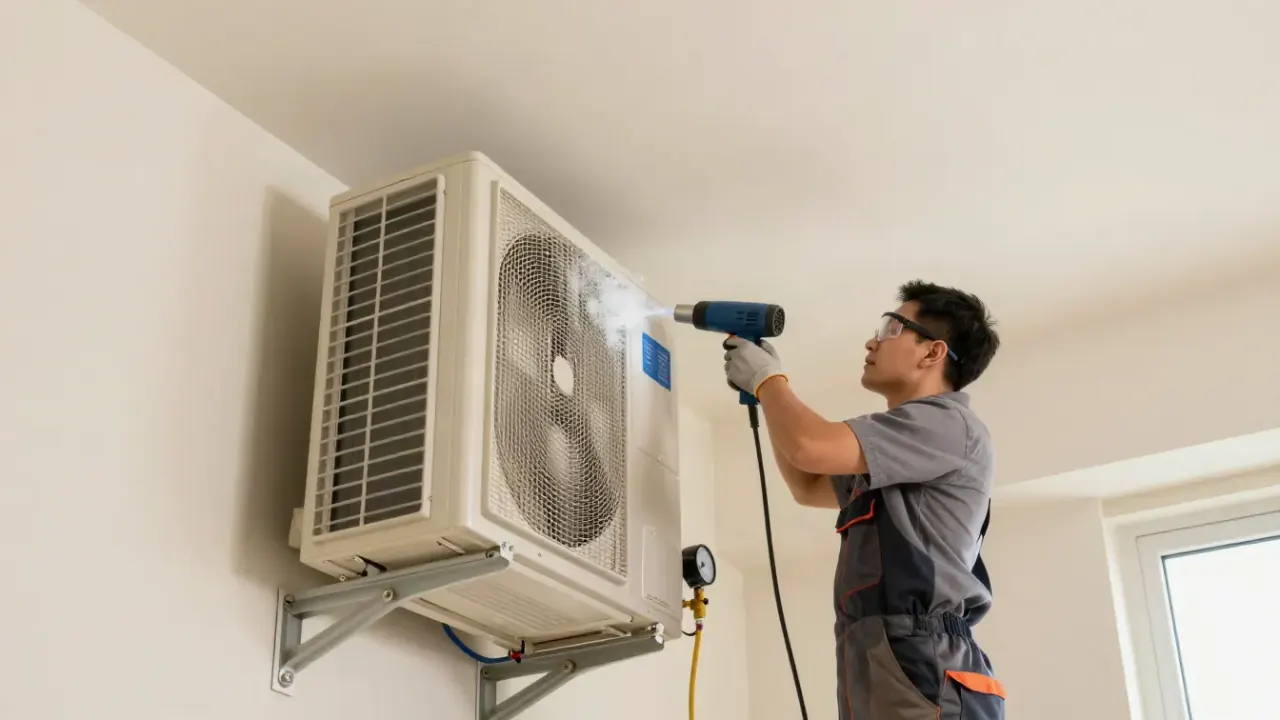
Briarwood Crossing is just south of Fulshear, about 10 minutes away. We serve several customers there who found us through Fulshear neighbors.
Local coverage and details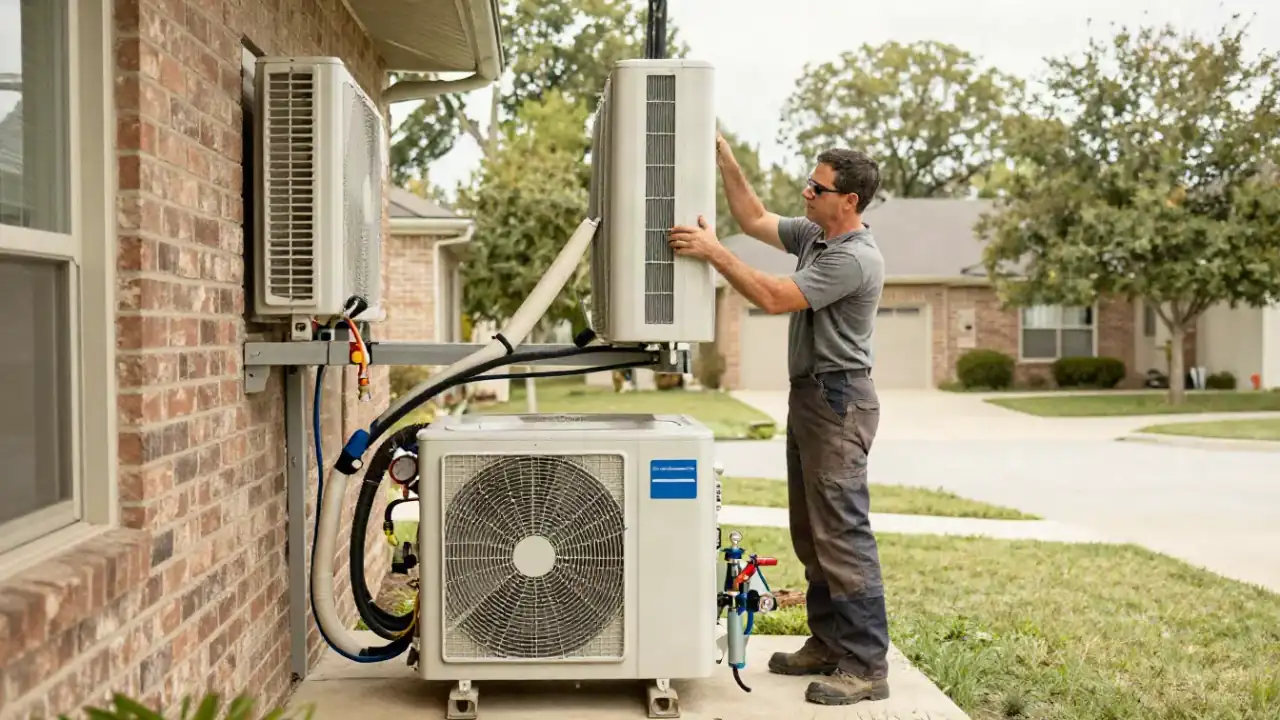
Brookewater is a short drive east of Fulshear. We cover mini split repair there on the same schedule as our Fulshear routes.
Local coverage and details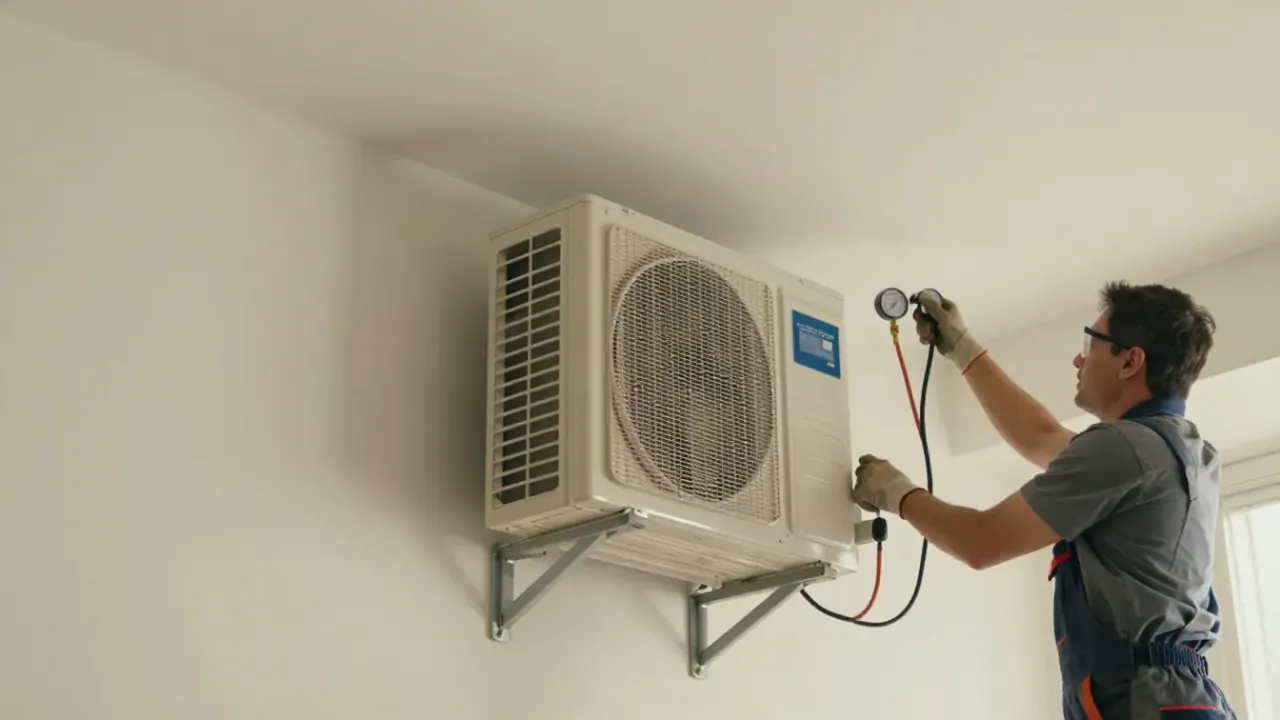
Kingdom Heights sits between Fulshear and Rosenberg, roughly 15 minutes from our shop. It is a regular stop on our Fulshear-area routes.
Local coverage and detailsEvergreen is close to Fulshear and shares the same humid climate and newer housing stock. We handle ductless repairs there on the same day as Fulshear calls.
Local coverage and detailsNot every HVAC company in the Fulshear area knows ductless systems. Some treat them like central AC, and that leads to misdiagnosis and repeat visits. Here are the questions we think every Fulshear homeowner should ask before they hire anyone, including us.
Anyone who adds or recovers R-410A or R-32 in Texas must hold EPA Section 608 certification. If a company cannot confirm it, they should not be touching your refrigerant. It is a basic legal and safety requirement.
A proper recharge requires pulling a deep vacuum to remove moisture and air. If a technician skips the micron gauge, moisture stays in the system and the compressor fails early. Ask to see the reading.
A good answer includes a leak detector and a nitrogen pressure test. A bad answer is 'we just add refrigerant.' Topping off a leaking system is a temporary fix that costs you more over time.
Mitsubishi Electric, Daikin, and LG parts are common, but less common brands may need ordering. A company that carries common capacitors, flare fittings, and valves can finish most repairs in one visit instead of two.
A solid warranty tells you the company stands behind its work. Ask how long the parts and labor are covered. If they hesitate or give a vague answer, that is a red flag about how they handle callbacks.
U.S. Environmental Protection Agency
North American Technician Excellence
Air-Conditioning, Heating, and Refrigeration Institute
$2M general liability
member
member
Most Mini Split Repair in Fulshear jobs run $180 to $450, with a diagnostic fee of $89 to $129. A refrigerant leak repair and recharge typically costs $350 to $700. Compressor replacement runs $900 to $1,800. The final price depends on the refrigerant type, how many zones you have, and how hard the indoor unit is to reach. We quote before we start.
The best company is the one that carries a micron gauge, pulls a vacuum before recharging, and has experience with your brand. We work on Mitsubishi Electric, Daikin, Fujitsu, LG, Samsung, Carrier, Trane, Bosch, Gree, and Pioneer systems every week in Fulshear. Ask any company you call whether they follow EPA Section 608 rules and torque flare fittings to spec.
Yes. We run 24/7 emergency dispatch for Fulshear and the surrounding Fort Bend County area. If your ductless system quits at night or on a weekend, call (281) 738-1427 and we will get a technician out. Same-day service is common for calls placed before 2 p.m. on weekdays.
Ask three things: are they EPA Section 608 certified, do they use a leak detector and micron gauge, and do they stock parts for your brand. A company that answers all three clearly is worth hiring. Also check whether they have worked in your neighborhood, since Fulshear's humidity and newer construction create specific problems.
We serve Fulshear and the surrounding Fort Bend County area, including ZIP codes 77441 and 77494. If you are in Cross Creek Ranch, Fulshear Lakes, Weston Lakes, Fulbrook, Polo Ranch, or Creekside, we cover your address. Call us with your location and we will confirm the arrival window.
Not seeing your question? Our local team can help you understand urgency, scheduling and what to expect.
Ask the local team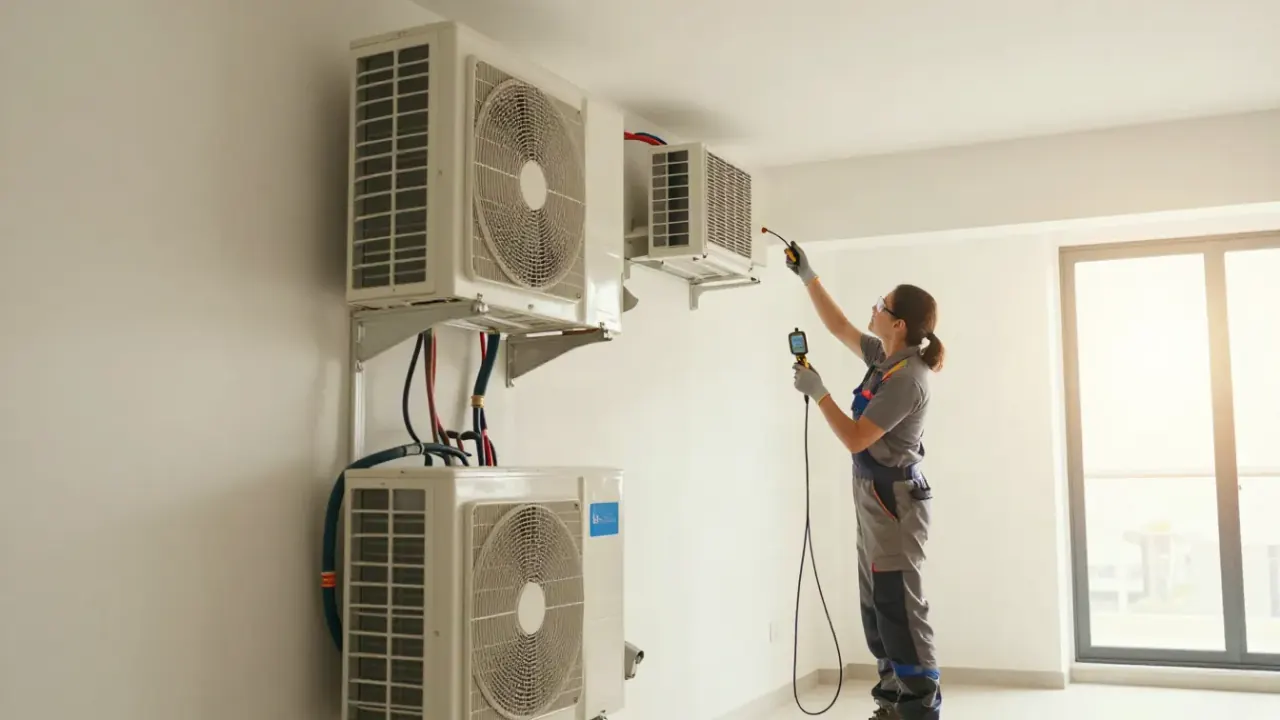
Call (281) 738-1427 or send us a message and we'll get back to you fast. We're open Monday through Friday, 8am to 6pm, and we take emergency calls for no-cool situations. If your unit quit on a weekend, leave a message and we'll call you back first thing.