Focused arrival windows
Useful updates and clear arrival timing.
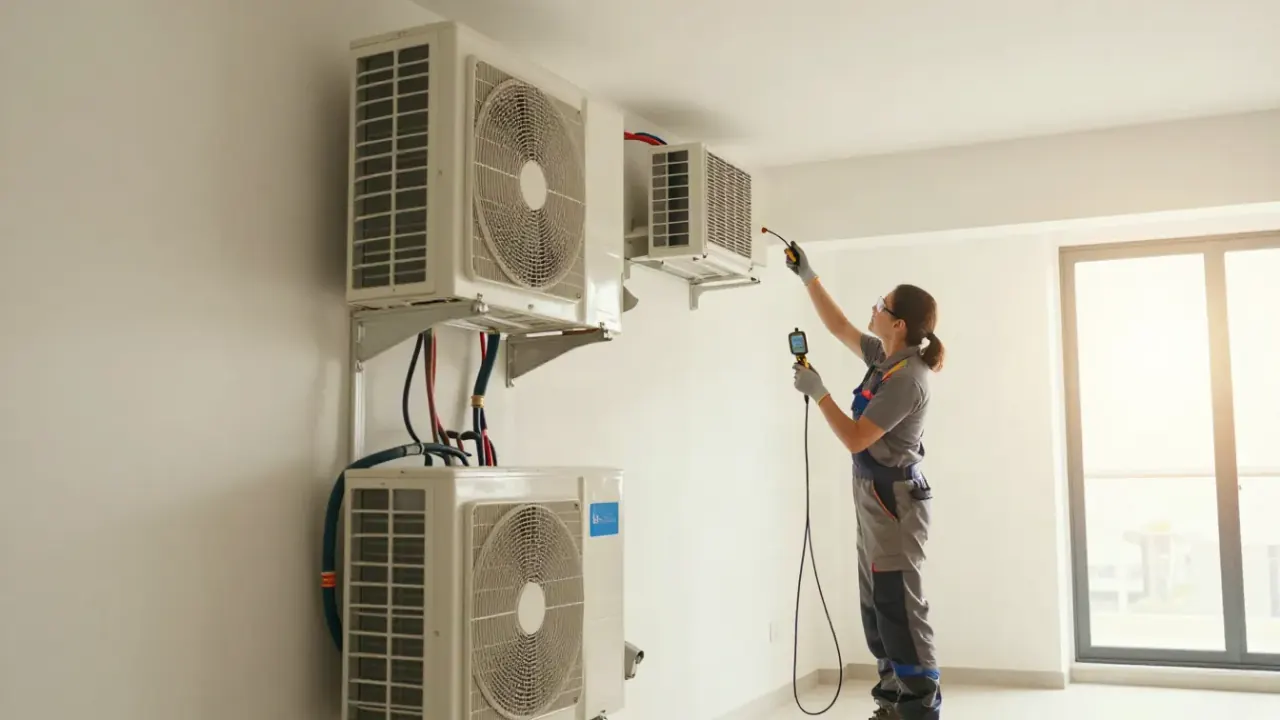
Noisy Mini Split Repair in Rosenberg starts with listening. A rattling wall unit, a grinding outdoor condenser, or a squeal at startup usually traces to a loose fan blade, worn bearing, or a fan motor running dry. We diagnose the exact source, quote the fix upfront, and get your ductless AC loud noise repair in Rosenberg done the same day whenever parts allow.
Useful updates and clear arrival timing.
Review the approach and price before deciding.
Equipped vehicles and respectful cleanup.
Neighbors serving neighbors with follow-through.
Every noisy mini split call starts with a full diagnostic, not a guess. You get the cause in plain language, an upfront price, and a repair tested for sound before we leave. Here is what is covered on a standard visit.
We run the system through a complete cooling and heating cycle and listen at the indoor head, the outdoor condenser, and the line set. A clamp meter reading on the fan motor tells us whether it is drawing high amps, which points to a failing bearing or a dragging blower.
We pull the blower wheel and check for debris, mold, or bent fins. A fin comb restores any bent coil fins we find. If the fan motor bearing is worn, we quote the replacement with the labor included so you see one number.
Loose or under-torqued flare fittings cause vibration and leaks. We check every joint with an electronic leak detector and re-torque to spec with a torque wrench. If the charge is low, we recover, evacuate with a vacuum pump and micron gauge, and weigh in new refrigerant.
A surprising number of rattles come from loose panel screws and wall brackets. We tighten every fastener, add vibration isolation where the line set touches framing, and replace any stripped screws so the unit stays quiet after we leave.
A clogged condensate drain line makes the unit gurgle and work harder. We flush the line, clean the drain pan, and add drain pan tablets. A dirty evaporator coil gets cleaned with coil cleaner so airflow returns to spec and the blower stops straining.
Share what is happening and receive a clear next step from the local team.
Noisy Mini Split Repair in Rosenberg is the diagnostic and mechanical service that traces an abnormal sound in a ductless system back to its source and corrects it. Sounds are evidence: a rattle points to a loose fan blade or panel, a squeal points to a dry fan motor bearing, a grind points to debris in the blower housing or a failing compressor. We isolate the noise with a clamp meter reading on the fan motor, inspect the blower wheel for buildup, and check flare fittings and line set supports for vibration transfer.
Rosenberg summers run long and humid, so ductless systems here cycle hard from May through October. That duty cycle wears fan bearings and loosens mounting hardware faster than most homeowners expect. If your mini split is making noise near me searches bring you here, we handle it. We also see plenty of units in Fort Bend County where a clogged condensate drain line or dirty coil makes the blower work harder and louder than it should.
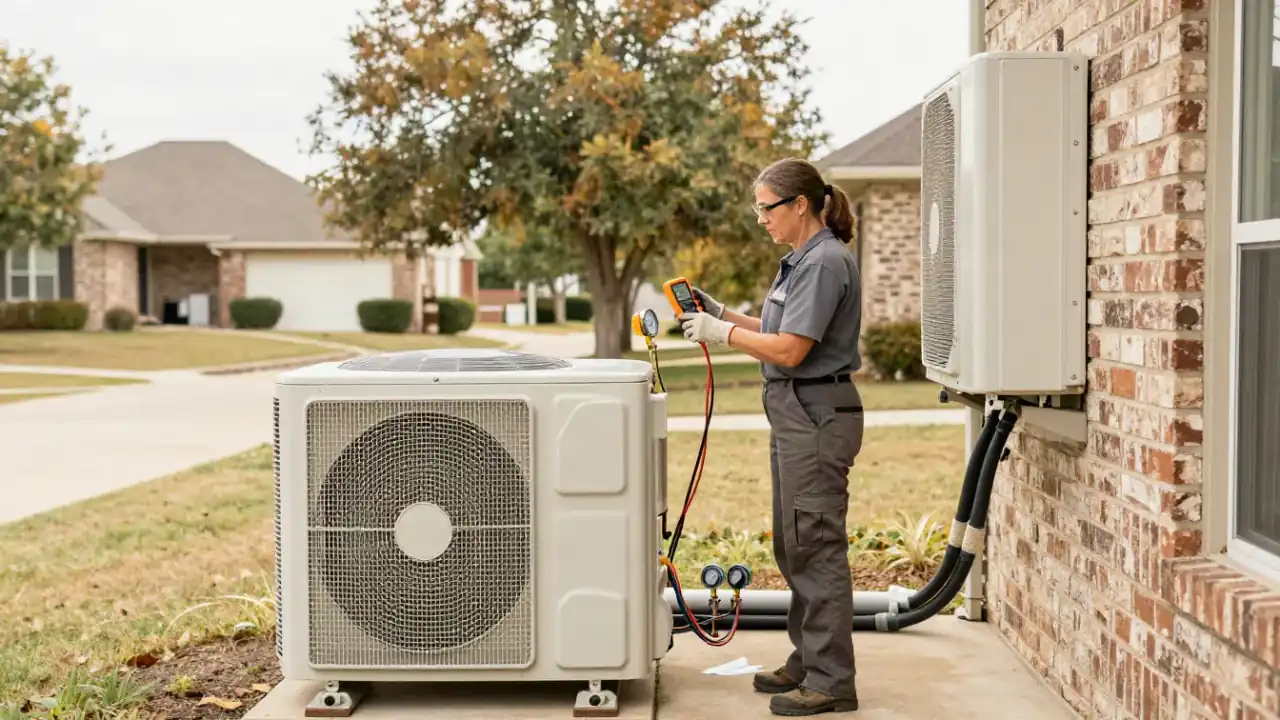
Tell us what you hear and when. A rattle at startup is different from a grind that builds over an hour. We ask about the brand, the age of the unit, and whether the noise is indoors, outdoors, or both. That call takes five minutes and lets us load the right parts before we roll.
We power the system through a full heating and cooling cycle and listen at each component. A manifold gauge set and clamp meter confirm whether the fan motor is pulling high amps. We check the blower wheel for debris, the flare fittings for vibration, and the line set for contact with framing.
You get the cause in plain language and a fixed price before any repair starts. If the noise is a loose panel, that is a quick fix. If the fan motor bearing is gone, we quote the motor and labor together. No surprise line items, no pressure to add work you did not ask for.
We pull the failed part, install the replacement, and torque every flare fitting to spec with a torque wrench. Refrigerant lines get leak-checked with an electronic leak detector. If the system needs a recharge, we weigh in R-410A or R-32 to the exact charge on the nameplate.
We run the unit for a full cycle and measure sound at the indoor head and the condenser. You hear the difference before we leave. We show you the old part, explain what caused the wear, and tell you what to check each month to keep it quiet.
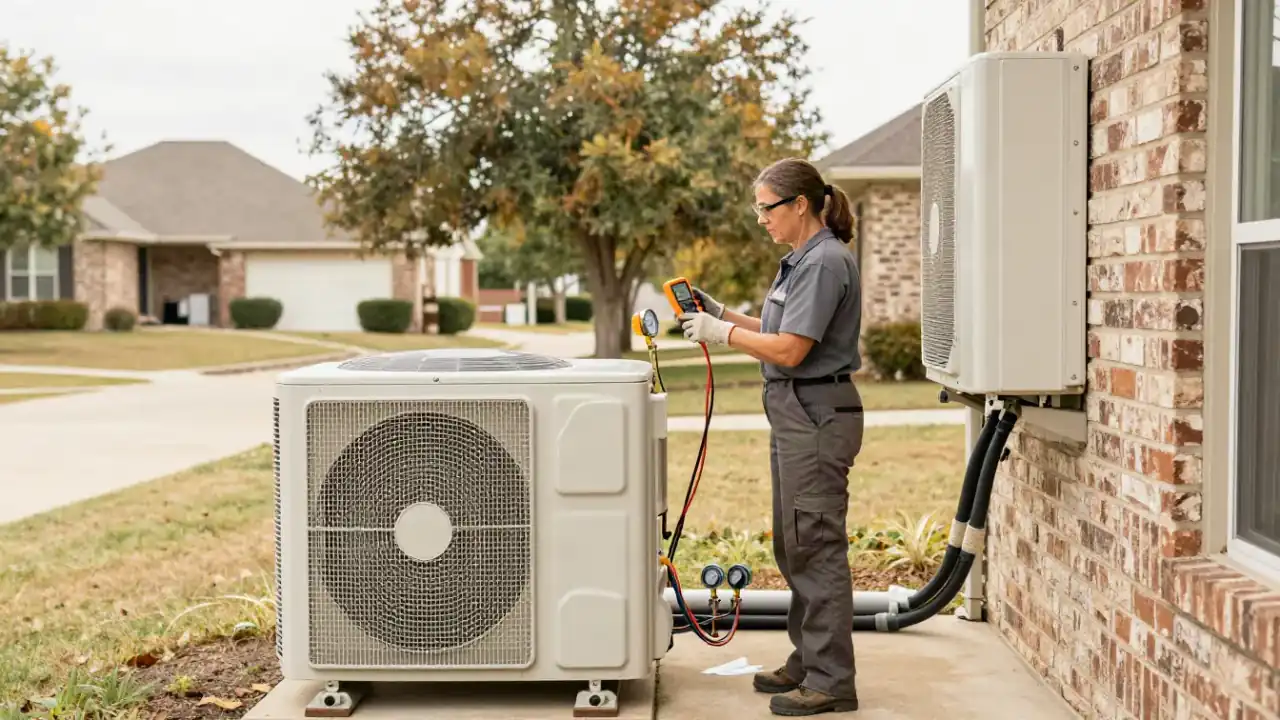
Measures amp draw on the fan motor and compressor. A reading above nameplate spec confirms a failing bearing or a dragging blower before we pull any part.
Finds refrigerant leaks at flare fittings and line sets that cause hissing or gurgling noises. Far more accurate than soap bubbles on a slow leak.
Pulls a deep vacuum after any refrigerant repair. We hold below 500 microns to confirm no moisture or air is left in the line set before recharging.
Tightens flare fittings to the manufacturer's spec. Over-tightening cracks flares and causes leaks; under-tightening causes vibration and noise.
Straightens bent coil fins and pushes coil cleaner through the evaporator. Restores airflow so the blower stops straining and running loud.
Reads high and low side pressures to confirm the system is charged correctly. Wrong charge makes the compressor run loud and hot.
We run the system through full heating and cooling cycles and listen at each component with the panels on and off. Isolating the sound before touching a part prevents unnecessary replacements and gets you to the real cause faster.
Every fan motor and compressor has a nameplate amp rating. We compare actual draw against that number. A motor pulling high amps is failing, even if it still spins. This method catches problems before they become breakdowns.
All refrigerant work follows EPA Section 608 rules. We recover, evacuate, and recharge by weight, never by guess. That protects your system, the warranty, and the environment, and it keeps the repair code-correct.
Many rattles travel through the refrigerant line set into the wall. We add pipe insulation and isolation clamps where the lines contact framing, which kills the noise at the source instead of just tightening a panel.
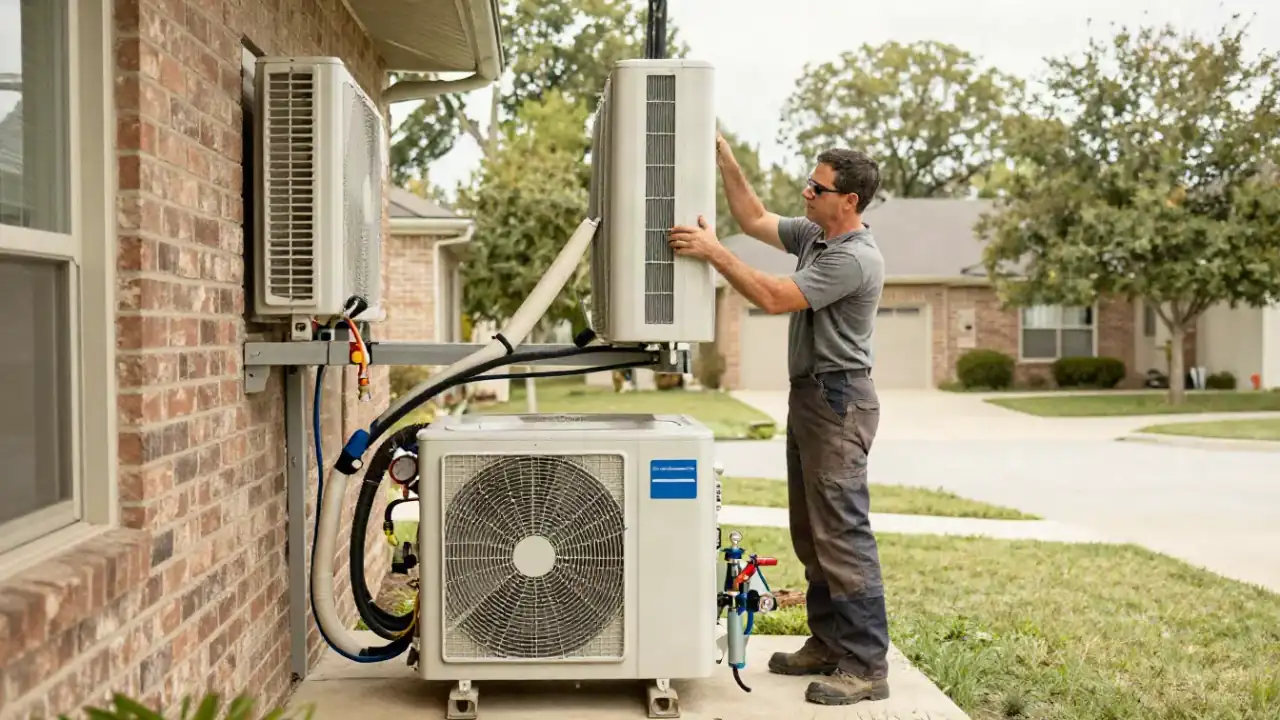
We treat nighttime noise calls as urgent because sleep matters. We schedule the earliest window, diagnose the rattle on site, and fix it the same visit when the part is on the truck. If it needs a special order, we tell you the lead time before we leave. You sleep through the night again, and the repair is done before the noise damages the blower wheel or fan motor.
We check the fan motor, blade, and housing for debris or a worn bearing. A grinding condenser is usually a motor on its way out. We test amp draw, replace the motor if needed, and confirm the sound level before we pack up. The grind stops, the unit runs at normal amp draw, and you avoid a compressor failure that would have cost several times more.
We test each zone separately to isolate the noise. A single loud head usually means a fan motor or blower issue in that unit, not a system-wide problem. We repair only the affected zone and leave the rest alone. One targeted repair quiets the whole system, and you are not paying to service zones that were working fine.
We diagnose and repair fast so the sale does not stall. You get a clear written summary of what was wrong and what we fixed, which satisfies most buyer requests and keeps the closing on schedule. The unit passes re-inspection, the noise is gone, and your closing date holds without a price renegotiation over the HVAC.
Rosenberg sits in Fort Bend County, where summer heat holds above 95 degrees for weeks and humidity stays high. That combination pushes ductless systems to run long cycles, which wears fan bearings and loosens mounting hardware faster than in drier climates. Most of the homes we service in Briarwood Crossing, Brookewater, and Kingdom Heights have systems installed in the last decade, so the failures we see are mechanical wear, not age. We also handle older properties near Fairpark Village where line sets were run tight against framing and rattle every time the compressor kicks on. If you are searching for ductless AC loud noise repair in Rosenberg, Texas, the fix usually starts with a sound test and an amp reading. We keep common fan motors, blower wheels, capacitors, and flare fittings on the truck, so a Rosenberg TX mini split rattling and grinding repair often finishes the same day. Call (281) 738-1427 and we will confirm the next window.
Newer construction with tight wall cavities. Line sets often vibrate against studs, so we add isolation clamps to stop the rattle at the source.
Mature trees drop debris into outdoor condensers, which is a common cause of grinding fan motors. We clear the housing and test the motor.
Older homes with retrofitted ductless systems. We check flare fittings and line set routing, since poor original installs cause noise years later.
Two-story homes with multi-zone systems. One loud head usually means a single fan motor issue, which we isolate and repair without touching the other zones.
Mold and debris build up on blower wheels, throwing them off balance. That creates a rumble that gets worse through July and August. Cleaning the wheel and coil restores quiet operation.
Constant cycling wears fan motor bearings and capacitors faster. We see more squealing and grinding calls in peak summer than any other season, and we stock the parts to fix them same-day.
Newer Rosenberg homes transmit vibration through framing more easily. Line set isolation and proper bracket torque make a bigger difference here than in older, looser construction.
A three-year-old Mitsubishi Electric head squealed every time it started. The homeowner was ready to replace the unit. Our clamp meter showed the fan motor pulling 40 percent above nameplate amps, confirming a dry bearing.
We replaced the fan motor and capacitor, torqued the flare fittings, and ran a full cycle. Amp draw returned to spec and the squeal was gone. Total repair time was about 90 minutes.
Maintenance: Wipe the blower wheel and check the filter every month. A clean filter keeps the fan motor from running hot and extends bearing life.
A Daikin condenser ground loudly enough that the neighbor complained. Debris had packed the fan housing and the motor bearing was worn. The unit was also short-cycling on a weak capacitor.
We cleared the housing, replaced the fan motor and capacitor, and tested amp draw. The grind stopped, the unit ran a full cycle without short-cycling, and sound levels dropped back to normal.
Maintenance: Clear leaves and debris from the condenser every few weeks during fall. Keep two feet of clearance around the unit for airflow.
One head in a four-zone LG system rattled constantly. The other three ran quiet. The line set was vibrating against a wall stud, and two panel screws were stripped.
We added pipe insulation and isolation clamps at the contact point, replaced the stripped screws, and rebalanced the blower. The rattle stopped and the other three zones were untouched.
Maintenance: Check panel screws each season and listen for new vibration after any wall work or remodeling near the line set.
Every sound tells a story. Here are the ones we hear most in Rosenberg and what happens if you let them run. Catching them early is the difference between a small repair and a compressor replacement.
A loose fan blade or panel screw vibrates against the housing and can crack the blower wheel over time, turning a quick fix into a full blower assembly replacement. We open the head, check the fan blade balance, tighten every mount, and replace any stripped screws. If the blower wheel is cracked, we swap it and rebalance the assembly. Most rattle repairs finish in under two hours.
Grinding usually means debris or a failing fan motor bearing. Left alone, the motor seizes, the compressor overheats, and you are looking at a major repair instead of a motor swap. We shut the unit down, clear debris from the fan housing, and test the motor with a clamp meter. If the bearing is gone, we replace the motor and capacitor together, then run a full cycle to confirm the grind is gone.
A squeal points to a dry fan motor bearing or a belt-style blower running tight. It gets louder each week and eventually the motor fails mid-summer when you need cooling most. We confirm the source with a sound test, then replace the worn motor or lubricate the bearing if it is serviceable. We also check the capacitor, since a weak capacitor makes the motor work harder and squeal sooner.
That sound often means a refrigerant leak at a flare fitting. A slow leak drops your cooling capacity and pushes the compressor to run longer and hotter than it should. We locate the leak with an electronic leak detector, repair the fitting, pull a deep vacuum with a micron gauge, and weigh in R-410A or R-32 to the exact nameplate charge. Then we re-test for sound and pressure.
$180 - $950 depending on the part and whether refrigerant work is needed
Pricing depends on what is making the noise and which part fails. A loose panel costs far less than a fan motor or compressor. We quote a fixed price after the diagnosis, and the diagnostic fee applies toward the repair when you approve it. Here are the ranges we see in Rosenberg for 2026, so you can plan before you call.
Fixing the cause now protects the compressor, which is the most expensive part in the system. A $300 fan motor repair today can prevent a $2,000 compressor replacement next summer. We quote upfront so you decide with real numbers.
A loose panel or mount is a quick fix at the low end. A fan motor, blower wheel, or capacitor lands in the middle. Compressor-related noise is the most expensive because the part and labor are both larger.
Indoor head repairs take longer because the unit has to come off the wall bracket. Outdoor condenser work is usually faster to access, which keeps labor hours down.
Common parts for Mitsubishi Electric, Daikin, Fujitsu, LG, and Samsung are often on the truck. Less common brands or older models may need a special order, which adds a day or two and sometimes a shipping cost.
If the noise comes with a leak, the repair includes recovery, vacuum, and a recharge of R-410A or R-32. Refrigerant is priced by the pound, so the total depends on how much the system needs.
An older unit with multiple worn parts may need more than one repair. We tell you honestly when a repair still makes sense and when replacement is the better long-term call.
Chasing a noise is detective work. Anyone can swap a fan motor. Finding why it failed takes training and the right instruments. Our technicians hold EPA Section 608 certification for refrigerant handling and NATE certification for system diagnostics, and we work under a Texas HVAC contractor license and TDLR license. We service every major brand, from Mitsubishi Electric and Daikin to Gree and Pioneer. Every job follows OSHA safety training standards, and we test refrigerant circuits with a micron gauge and vacuum pump before we call a repair finished.
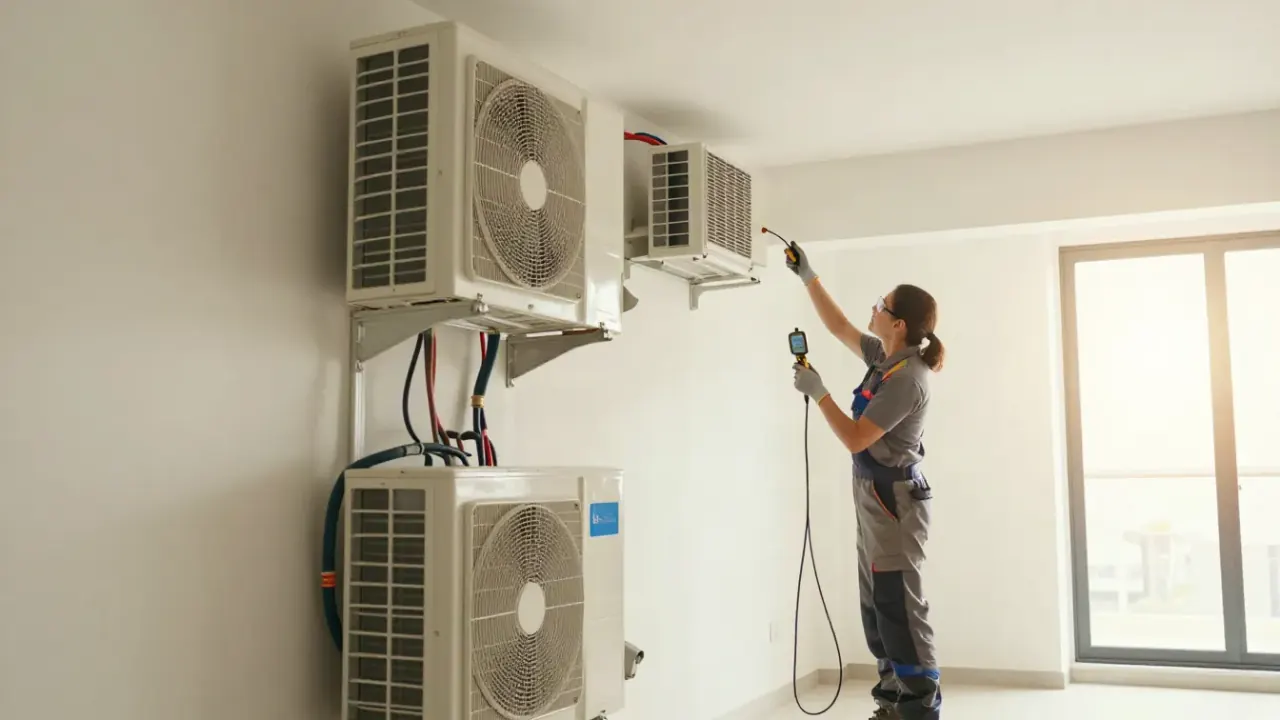
Our bedroom mini split started squealing every time it kicked on. I figured the whole unit was done. The tech found a dry fan motor bearing, showed me the old part, and had a new motor in within the hour. It has been silent for three months now. Fair price and he explained everything without talking down to me.
The outdoor condenser was rattling so loud the neighbor mentioned it. Turned out to be a loose panel and a line set vibrating against the wall. They tightened everything, added insulation, and the rattle was gone the same visit. I appreciated that they did not try to sell me a new system.
I manage several rentals and one unit in Rosenberg was grinding badly. They diagnosed a blower wheel packed with debris and mold from the humidity. Cleaned it, replaced a capacitor, and the unit runs quiet and cold again. They sent photos of the before and after, which made my report easy.
The most common causes are a loose fan blade, a dry or worn fan motor bearing, debris in the blower wheel, or a panel vibrating against the wall. In Rosenberg, humidity also grows mold and buildup on the blower wheel, which throws it off balance and creates a rumble. We isolate the exact source with a sound test and clamp meter reading before quoting any repair.
Most noisy mini split repairs in Rosenberg run $180 to $650 in 2026, depending on the part. A loose panel or tightened mount sits at the low end. A fan motor or blower wheel replacement lands in the middle. Compressor-related noise costs more. The diagnostic visit is $89 to $129 and applies toward the repair when you approve the work.
Yes, in most cases. We carry common fan motors, blower wheels, capacitors, and mounting hardware on the truck, so a same-day mini split noise diagnosis near me calls usually end with the repair finished that visit. If your brand needs a special-order part, we tell you the lead time on the spot and book the return trip.
A rattle usually means a loose fan blade, a panel screw backing out, or a line set vibrating against framing. A squeal points to a fan motor bearing running dry or a blower wheel rubbing its housing. Both get worse with heat and constant cycling, which is why we see so many in July and August. Fixing the cause, not just the sound, is the goal.
Not seeing your question? Our local team can help you understand urgency, scheduling and what to expect.
Ask the local team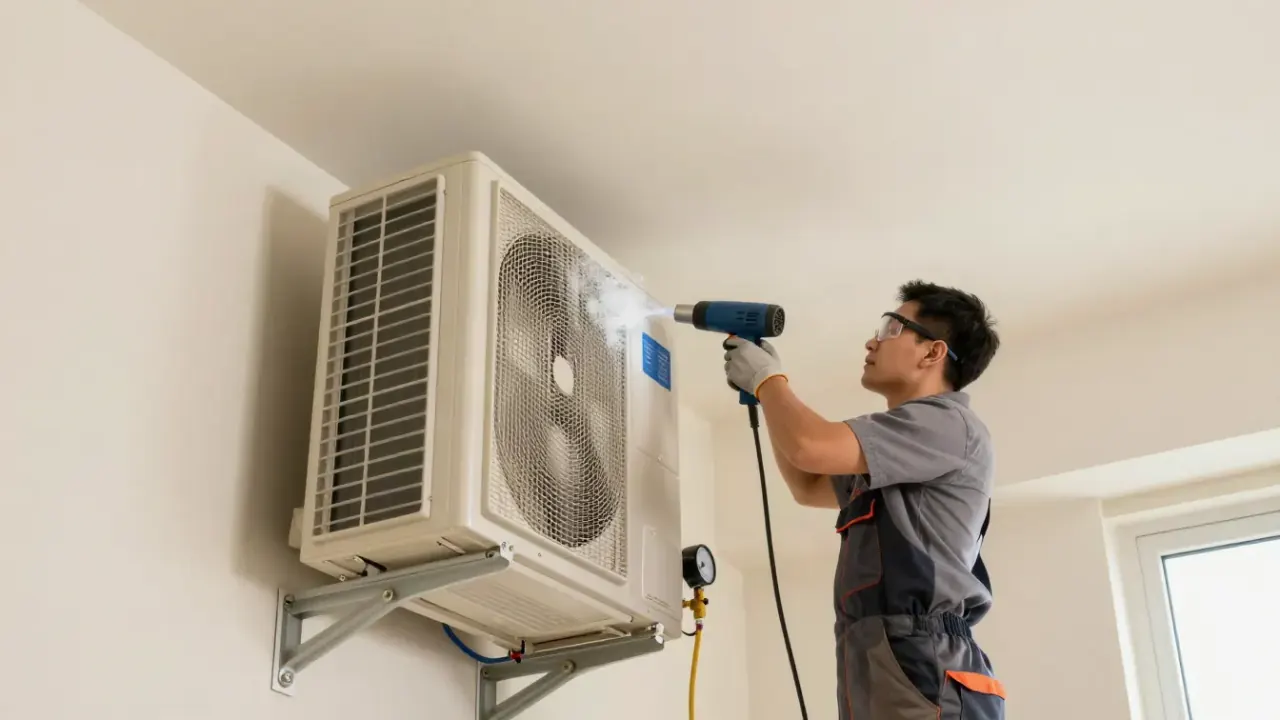
A noisy unit that stops cooling often has a fan motor or refrigerant problem behind the sound. We diagnose both at once so you are not paying for two visits. If your Rosenberg system is loud and blowing warm, we check the charge and the blower together.
View service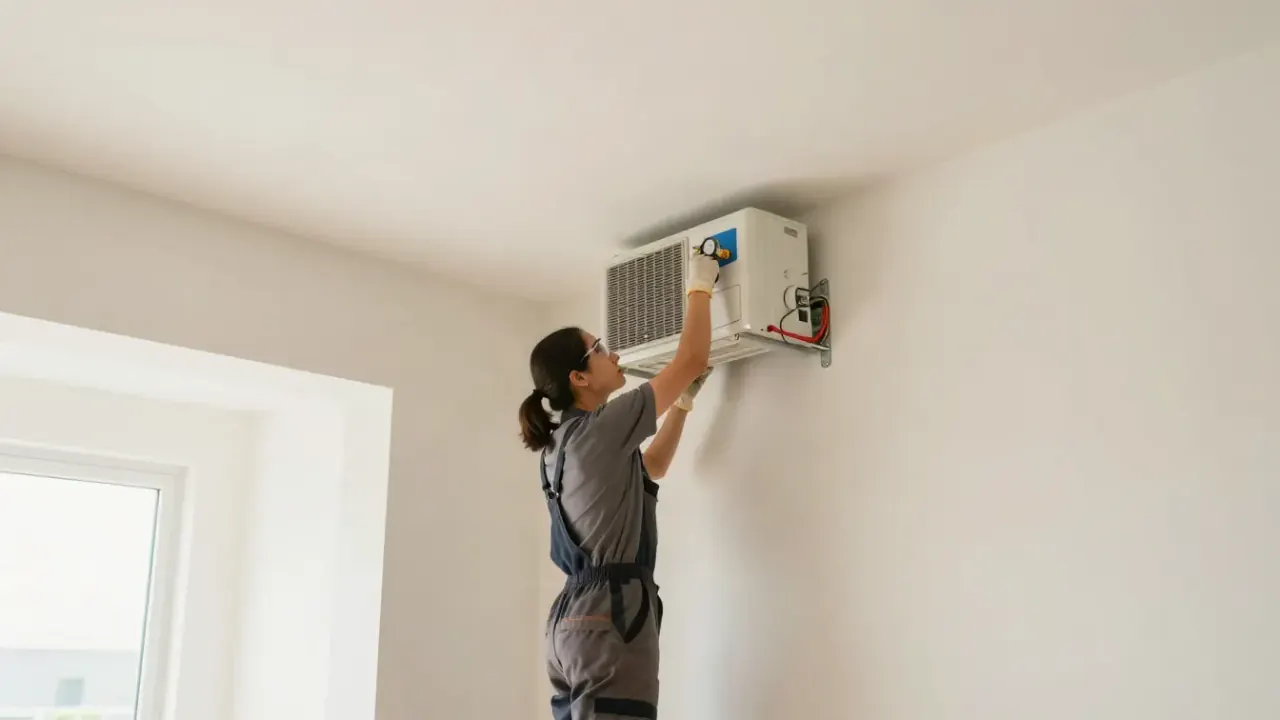
Grinding or squealing in heat mode points to a reversing valve or fan issue that shows up differently than in cooling. We test both modes during a noise diagnosis, so a winter heating failure gets caught before the first cold snap hits Rosenberg.
View service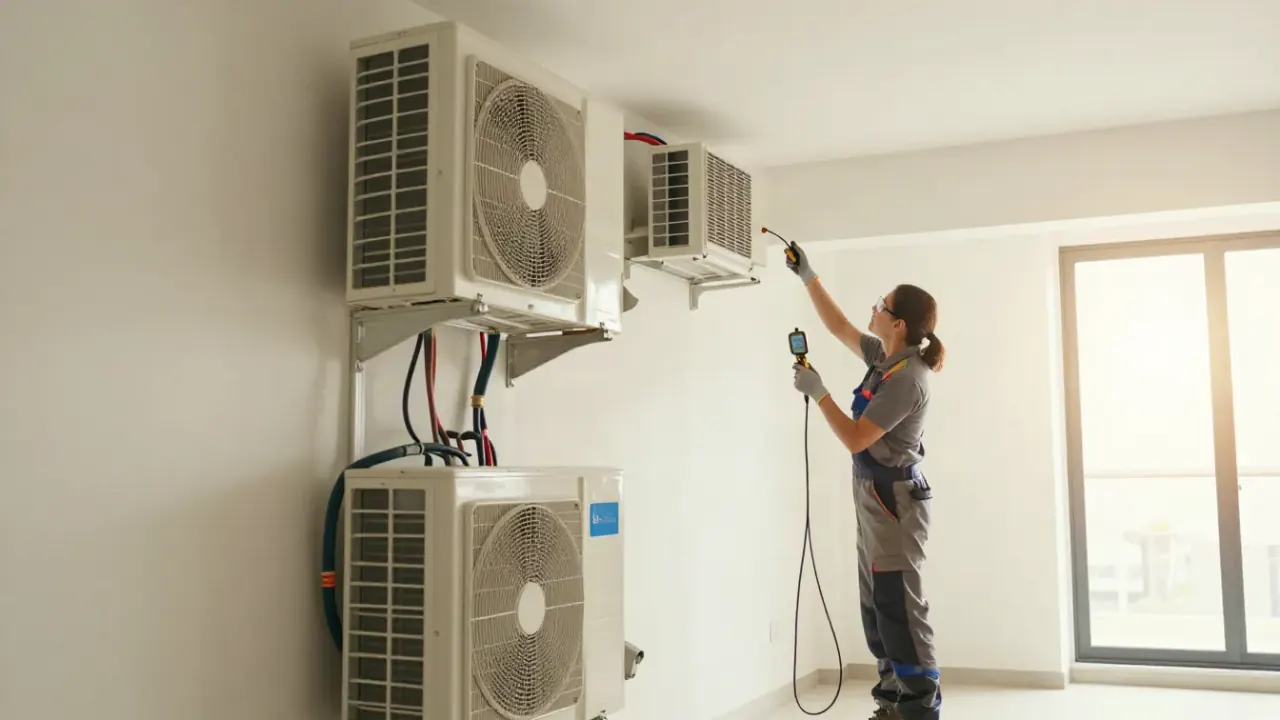
A hissing or gurgling noise often means a refrigerant leak at a flare fitting. We locate it with an electronic leak detector, repair the joint, pull a deep vacuum with a micron gauge, and weigh in R-410A or R-32 to the exact nameplate charge.
View serviceIce on the evaporator coil makes the blower strain and rattle. We thaw the coil, find why it froze, and fix the airflow or charge problem causing it. Leaving ice buildup alone can push a noisy fan motor into early failure.
View service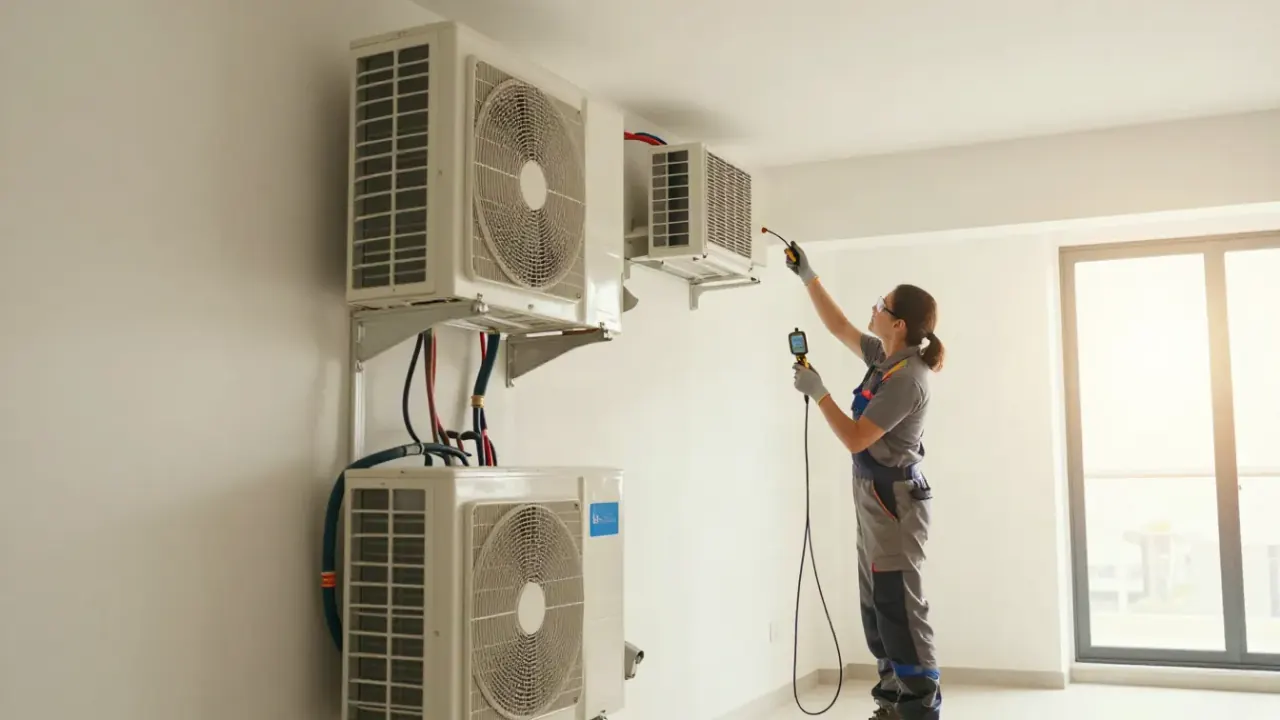
Call (281) 738-1427 or send us a message and we'll get back to you fast. We're open Monday through Friday, 8am to 6pm, and we take emergency calls for no-cool situations. If your unit quit on a weekend, leave a message and we'll call you back first thing.