Focused arrival windows
Useful updates and clear arrival timing.
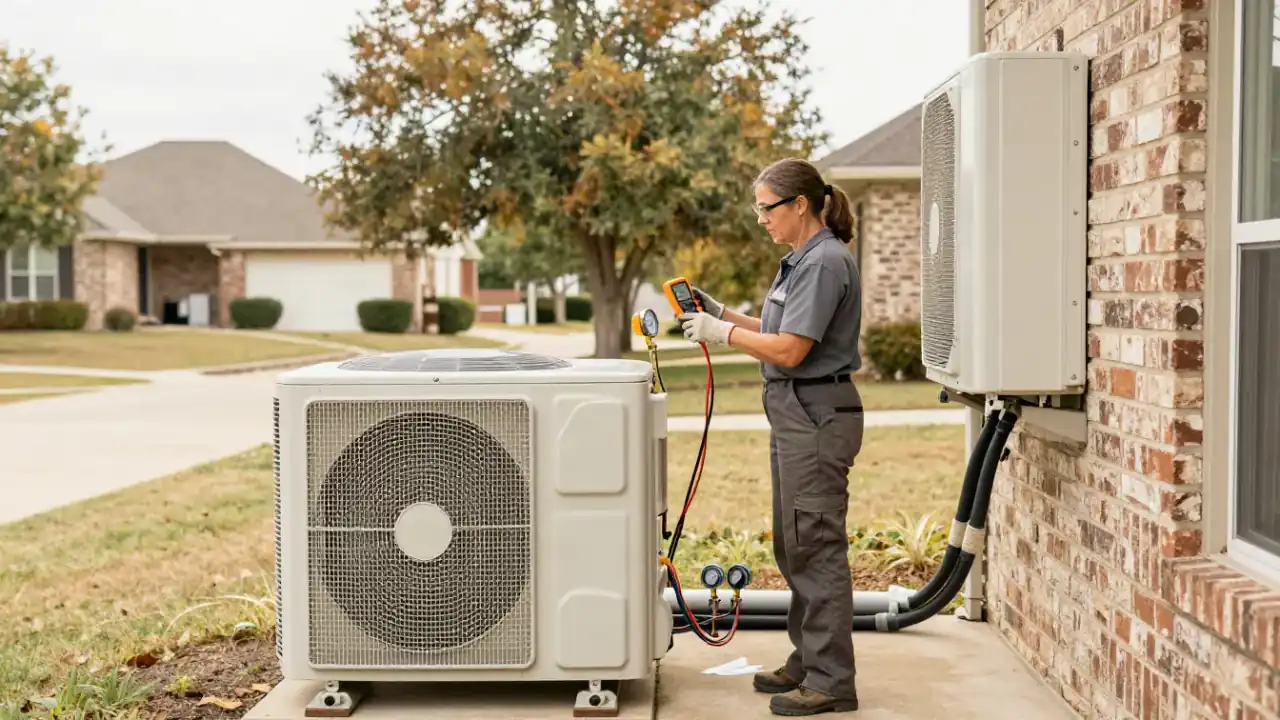
Mini Split Error Code Diagnostics Rosenberg TX is the fastest way to stop guessing why your ductless system quit. We pull the exact fault code, test the circuit, and repair the root cause, not just the symptom. Homeowners across Fort Bend County call us when the indoor unit blinks, beeps, or shuts down mid-cycle. Same-day appointments are available.
Useful updates and clear arrival timing.
Review the approach and price before deciding.
Equipped vehicles and respectful cleanup.
Neighbors serving neighbors with follow-through.
Every diagnostic visit covers the full evaluation, not just a code read. You get the fault identified, the cause confirmed, and a flat repair price. Parts and labor for the actual repair are quoted separately so you can approve before we proceed.
We pull stored and active codes from the indoor head, outdoor unit, and remote, then match them to your model's service manual. This tells us which circuit or sensor the board flagged and narrows the testing plan.
A clamp meter checks amp draw on the compressor, fan motors, and inverter board against nameplate spec. We also verify control voltage and communication signal integrity between indoor and outdoor units.
Manifold gauges read suction and liquid pressures, and we compare them to the manufacturer's temperature chart. If charge is low, a leak detector and nitrogen pressure test locate the leak point.
We inspect the evaporator coil for ice buildup, check the air filter, and verify the condensate drain line flows freely. Airflow restrictions and drain clogs are common code triggers in Rosenberg humidity.
You receive the confirmed cause and a flat repair price before any work begins. If the repair is not cost-effective on an older unit, we say so and explain your replacement options with real numbers.
Share what is happening and receive a clear next step from the local team.
Mini Split Error Code Diagnostics Rosenberg TX is a systematic electrical and refrigerant-side evaluation that identifies why your ductless system threw a fault code. Every brand speaks its own language: Mitsubishi Electric flashes LED sequences, Daikin and Fujitsu display alphanumeric codes, LG and Samsung push codes to the remote. We read the manufacturer's service manual for your exact model, then confirm the fault with a clamp meter, manifold gauge set, and leak detector before we quote a repair.
Rosenberg summers push mini splits hard, and the humidity along the Brazos bottomlands keeps condensate drains working overtime. When your system flashes a code in August, it is usually a refrigerant leak, a clogged condensate drain line, or a communication fault between the head and the outdoor unit. We handle ductless AC fault code troubleshooting Rosenberg TX homeowners can count on, and we carry the parts to fix most faults on the first visit.
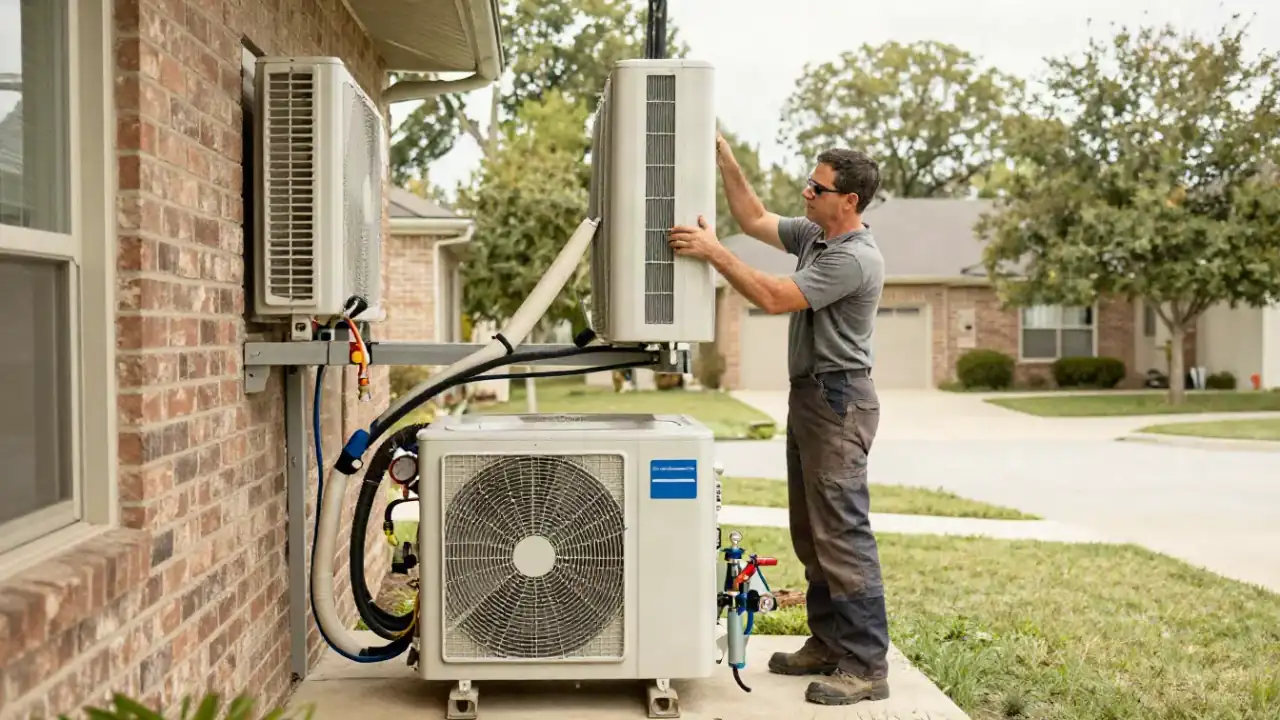
Call (281) 738-1427 and tell us the brand, the code on the display or remote, and what the system was doing when it quit. We look up your model's fault table before we roll, so the tech arrives with the right parts and the right manual. Most calls are booked same day.
The tech confirms the stored fault code, then checks power at the disconnect, control voltage, and communication wiring between the indoor head and outdoor unit. This takes 15 to 20 minutes and separates an electrical fault from a refrigerant or airflow problem.
We attach a manifold gauge set and clamp meter to read pressures and amp draw against the manufacturer's spec. If the code points to refrigerant, a leak detector and nitrogen pressure test find the exact leak point. If it points to airflow, we inspect the evaporator coil and blower.
You get the code, the confirmed cause, and a flat repair price before we touch anything else. No surprise line items. If the fix is a $90 capacitor, we tell you. If it is a compressor, we show you the test results that prove it.
We complete the repair, then run the system through a full heating or cooling cycle and clear the fault code. The tech verifies pressures, amp draw, and condensate flow before leaving. Most single-fault repairs are done in one visit.
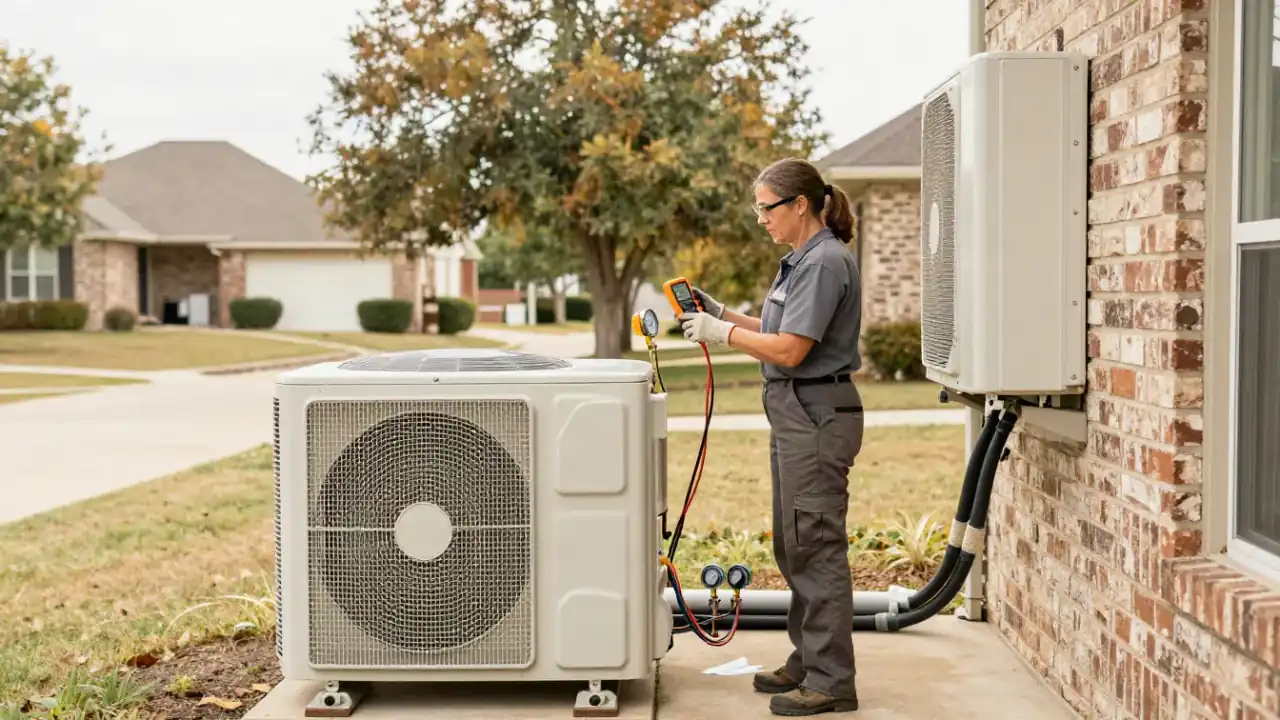
Reads suction and liquid line pressures so we can compare system performance to the manufacturer's temperature and pressure chart.
Measures amp draw on compressors, fan motors, and inverter boards to confirm electrical faults flagged by the error code.
Electronic sensor that pinpoints refrigerant leaks at flare fittings, line sets, and coil joints when low charge triggers a fault.
Pulls a deep vacuum and verifies it holds below 500 microns before recharging, protecting the compressor from moisture and non-condensables.
Pressurizes the system for leak testing and purges lines during repair, following EPA Section 608 handling practices.
Tightens flare fittings to the manufacturer's specified torque, preventing the leaks that cause many low-charge fault codes.
Straightens bent fins and flushes the evaporator and condenser coils to restore airflow and heat transfer.
Every brand uses different codes. We pull the exact service manual for your Mitsubishi Electric, Daikin, Fujitsu, LG, Samsung, or Gree model so the code is interpreted correctly before testing begins.
We compare measured pressures against the manufacturer's chart for the outdoor ambient temperature. This confirms whether the system is undercharged, overcharged, or restricted.
Isolating the circuit and pressurizing with nitrogen reveals leaks that electronic detectors miss in noisy or windy conditions. We hold pressure to confirm the repair before recharging.
For refrigerant repairs, we evacuate to below 500 microns and verify with a micron gauge. Proper evacuation removes moisture that would otherwise cause acid formation and compressor failure.
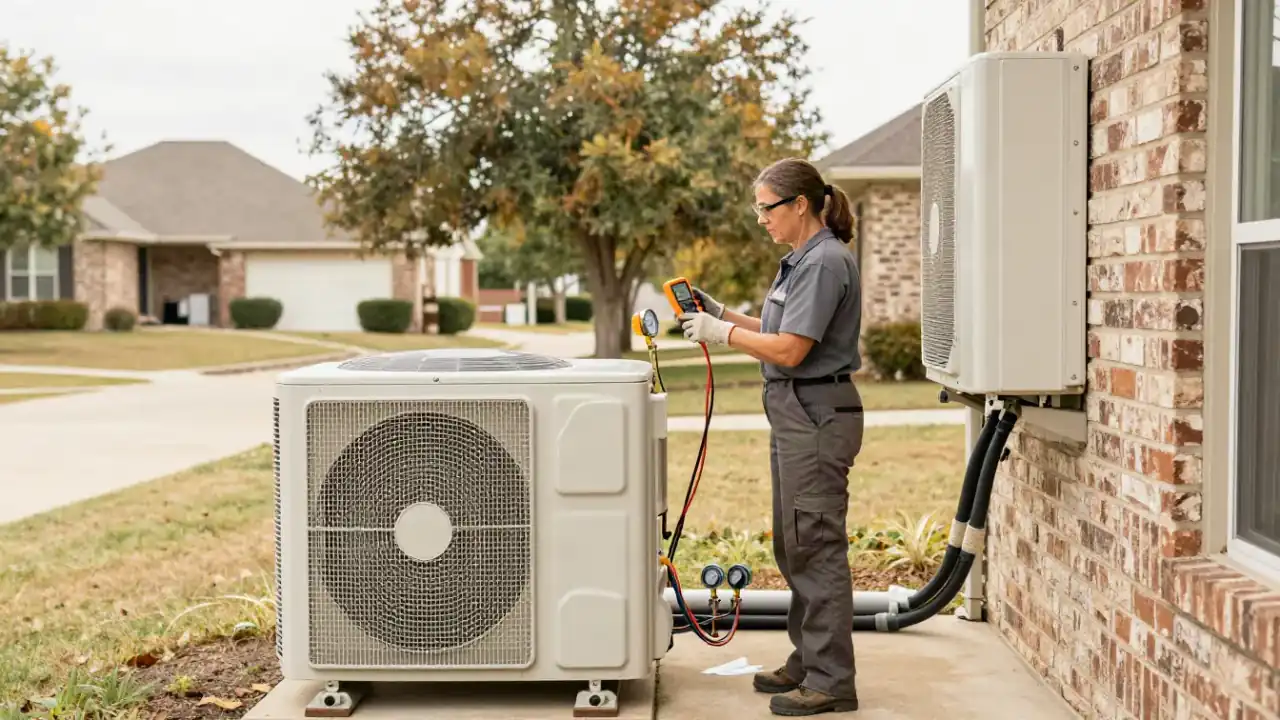
We prioritize same-day diagnostic calls during heat advisories. The tech reads the code, tests the refrigerant circuit and electrical components, and repairs the fault so cooling is restored quickly. Most customers have cold air the same day, with the failed part identified and replaced under a flat quoted price.
We identify the brand and model, pull the correct fault table, and run a full diagnostic. We also check installation quality, including flare fittings, line set insulation, and drain routing. You get a clear picture of the system's condition and a repair plan, plus maintenance advice to prevent future codes.
We coordinate access with the tenant, diagnose the fault, and provide the owner a written finding and flat repair quote before work proceeds. Repairs are scheduled around tenant availability. The tenant gets a working system, and the owner gets documented findings and a predictable repair cost.
We test each indoor head and the branch box, isolating the failed zone. Communication wiring, electronic expansion valves, and zone sensors are checked individually. The faulty zone is repaired without disrupting the working zones, restoring full multi-zone control.
Rosenberg sits in Fort Bend County, where summer heat indexes climb past 105 degrees and humidity stays high through September. That combination stresses mini splits and condensate systems. Most fault codes we see from June through October are low-charge warnings from leaks at flare fittings, or float switch trips from clogged drain lines. In winter, we see more defrost and reversing valve codes. Homes in Briarwood Crossing, Brookewater, and Kingdom Heights are mostly newer construction with multi-zone systems, while older properties near Fairpark Village often have single-zone units that benefit from a thorough diagnostic before repair. We work under Texas HVAC contractor and TDLR requirements, and we follow EPA Section 608 rules for refrigerant handling. If you need Rosenberg TX mini split error code diagnosis and repair, we carry the tools and parts to finish most jobs the same day.
Newer multi-zone installations here often show communication fault codes when branch box wiring is not fully seated. We test each zone connection during diagnostics.
Larger homes with multiple heads see airflow codes when filters are missed. We check every indoor unit filter and coil during the diagnostic visit.
Older single-zone systems here commonly throw low-charge codes. We leak-test flare fittings and line sets before recommending recharge.
Tight construction keeps humidity high indoors, so condensate drain clogs and float switch codes are common. We flush drains and add tablets during service.
Systems run near continuous duty, which accelerates wear on capacitors and raises refrigerant pressures. Fault codes from electrical failures spike in July and August.
Warm, humid conditions breed algae that clogs drains and trips float switches. Regular drain flushing and drain pan tablets prevent repeat codes.
Improperly torqued flare fittings and unseated communication wiring cause fault codes in newer homes. Our diagnostics check both during the first visit.
Occasional hard freezes push systems into defrost mode, and sensor faults show up as heating codes. We test defrost sensors and reversing valves when heat-mode codes appear.
A homeowner in Walnut Creek had a Mitsubishi Electric unit blinking a code and blowing warm air for three days. A previous tech guessed at the control board and quoted a replacement without testing.
We read the code, tested the circuit, and found a failed thermistor reading out of range. Replaced it for a fraction of the board quote. System held 72 degrees with normal amp draw on retest.
Maintenance: We recommended an annual cleaning and filter change every 60 days to keep airflow and sensor readings in spec.
A Daikin system in Briarwood Crossing threw a low-pressure code and iced over. The homeowner kept resetting the breaker, and the code returned within an hour each time.
Our leak detector found a leaking flare fitting at the outdoor unit. We repaired the flare, pressure tested with nitrogen, evacuated below 500 microns, and recharged with R-410A. Suction pressure returned to spec.
Maintenance: We asked the homeowner to schedule a spring check so we can verify pressures before the cooling season ramps up.
A rental in Fairpark Village showed a float switch code and water staining near the wall. The tenant had been running the unit with a full drain pan for a week.
We cleared the clogged condensate drain line, flushed the pan, and added drain pan tablets. The float switch reset, the code cleared, and the unit ran a full cooling cycle without tripping.
Maintenance: We set the owner up on a twice-yearly drain flush to prevent algae clogs during Rosenberg's humid months.
Most mini split fault codes trace back to a handful of causes. We test for each one so the repair targets the real failure, not a symptom.
A blinking LED usually means the board shut the compressor down to protect it. Running the system in this state can damage the inverter board or compressor. We read the LED sequence against your brand's table, test the flagged circuit with a clamp meter, and repair the failed component. Most blinking-light faults are resolved in one visit with parts we stock.
Ice on the evaporator coil restricts airflow, drops suction pressure, and can send liquid refrigerant back to the compressor. Ignoring it leads to compressor failure. We thaw the coil, clean it with coil cleaner, replace the air filter, and test the blower. If low charge caused the freeze, we locate the leak and repair it before recharging.
The system stops responding to the remote or thermostat, and the code returns every time you reset it. This is often misdiagnosed as a bad control board. We test communication wiring, terminal connections, and board signal output. Many of these faults are loose or corroded connections, which we repair at a fraction of board replacement cost.
A clogged condensate drain line trips the float switch and shuts the unit down. Standing water can damage drywall, flooring, and trim. We clear the drain line, flush the pan, add drain pan tablets to slow algae growth, and verify drainage. We also check the drain slope and insulation to prevent repeat clogs.
$89 - $900 depending on fault and repair scope
Typical 2026 pricing in the Rosenberg area runs $89 to $150 for the diagnostic visit, and that fee is often credited toward the repair if you approve the work. Repair costs depend on the fault: a capacitor or thermistor replacement usually lands between $150 and $350 installed, while refrigerant leak repair and recharge runs $450 to $900. Compressor replacement is a larger investment. We quote a flat price before starting, so you are never surprised by the bill.
A proper diagnostic prevents you from paying for parts you do not need. We test before we replace, quote flat pricing upfront, and stand behind the repair. That is how you avoid paying twice for the same problem.
A single failed capacitor is a quick, low-cost repair. A communication fault that requires tracing wiring through walls or a branch box takes more labor time and adds to the total.
Leak repair, evacuation, and recharge require EPA Section 608 handling, a vacuum pump, and refrigerant. R-410A and R-32 costs vary, and the amount needed depends on line set length.
Common parts like capacitors, thermistors, and flare fittings are stocked on our truck. Less common boards or inverter components may need ordering, which can add a day or two.
Older units with multiple faults may not be worth repairing. We give you honest numbers on repair versus replacement so you can make the call that fits your budget.
Indoor heads mounted high on walls or in tight closets take longer to access. Multi-zone systems with several heads require more testing time than a single-zone unit.
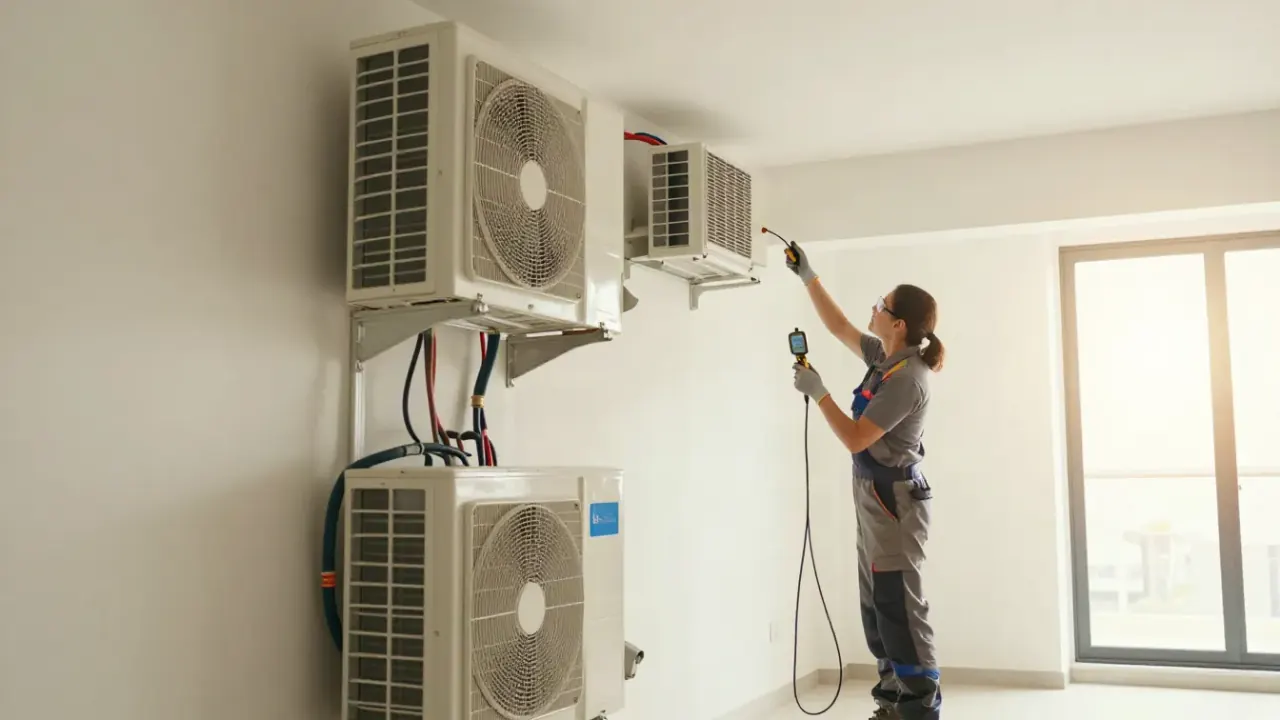
Our technicians hold EPA Section 608 certification for refrigerant handling and NATE certification for HVAC service. We work under a Texas HVAC contractor license and TDLR license, and every tech completes OSHA safety training. We service Mitsubishi Electric, Daikin, Fujitsu, LG, Samsung, Carrier, Trane, Bosch, Gree, and Pioneer systems, and we keep current service manuals for each. That matters because a Gree fault code and a Mitsubishi Electric fault code can describe completely different failures.
My Daikin flashed a code and stopped cooling on a Saturday. They came out the same day, found a leaking flare fitting, repaired it, and recharged the system. The tech showed me the leak with the detector before fixing it. Cold air by dinner.
I manage three rentals with mini splits, and I have used them twice for fault codes. Both times they diagnosed the actual failed part instead of guessing. One was a thermistor, one was a clogged drain tripping the float switch. Fair prices and clear explanations.
Our LG unit kept beeping and showing an error. Another company wanted to replace the control board. These guys tested it, found a communication wiring issue, and fixed it for a fraction of the cost. Honest work, and they cleaned up after themselves.
The code identifies which sensor or circuit the control board flagged, not always the failed part itself. A Daikin or Fujitsu code might point to a thermistor, a communication fault, or a refrigerant pressure issue. We look up your exact model's table, then test the circuit to confirm the real cause before quoting a repair.
Diagnostic visits typically run $89 to $150, and that fee is often applied toward the repair if you approve the work. Total repair cost depends on the fault: a capacitor or thermistor is usually $150 to $350 installed, while a refrigerant leak repair and recharge can run $450 to $900. You get the flat price before we start.
Yes, most diagnostic calls are scheduled same day, and many repairs are finished in that same visit. Call (281) 738-1427 with your brand and the code on the display or remote. We check parts availability before dispatch so the tech arrives ready to fix, not just inspect.
Turn the system off at the breaker for 60 seconds, restore power, and restart. If the code clears and stays off, it may have been a temporary voltage dip. If it returns within minutes, the fault is real and a reset will not fix it. Stop cycling the breaker and call us for diagnostics.
Not seeing your question? Our local team can help you understand urgency, scheduling and what to expect.
Ask the local team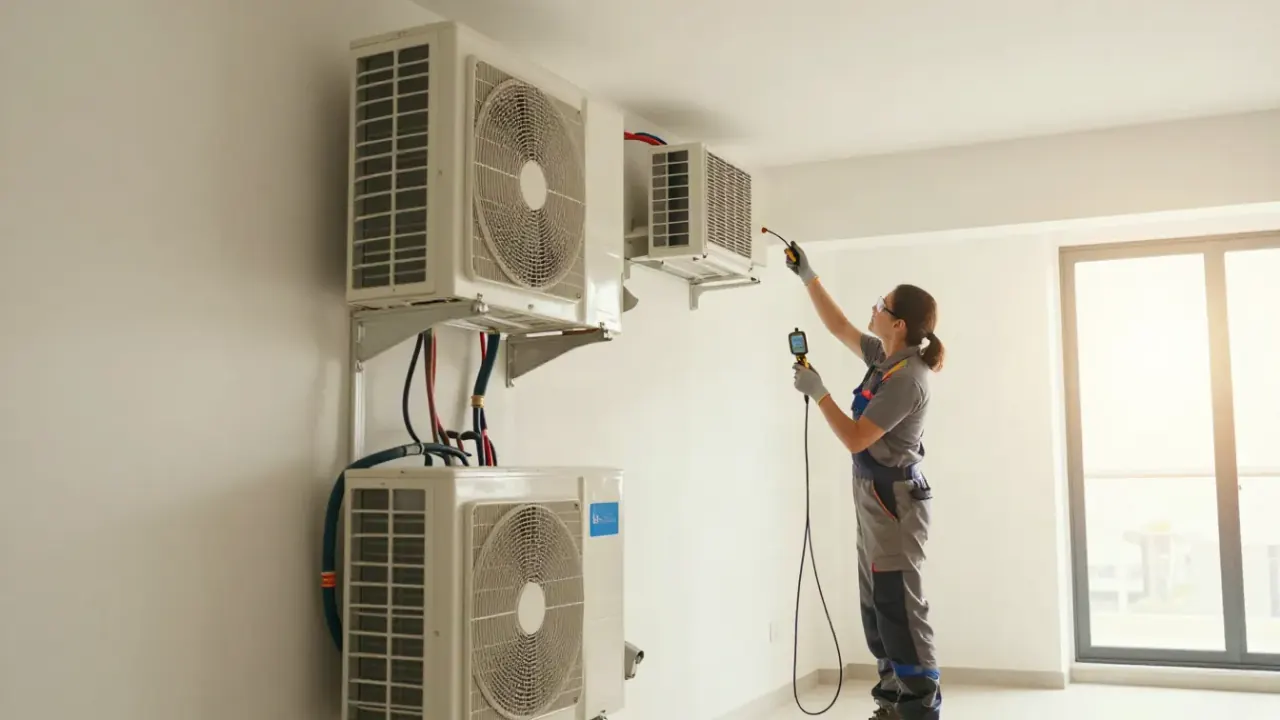
A fault code often accompanies weak or absent cooling. We diagnose the code, then confirm whether the issue is refrigerant charge, a failing capacitor, or a dirty evaporator coil before repairing the cooling problem itself.
View service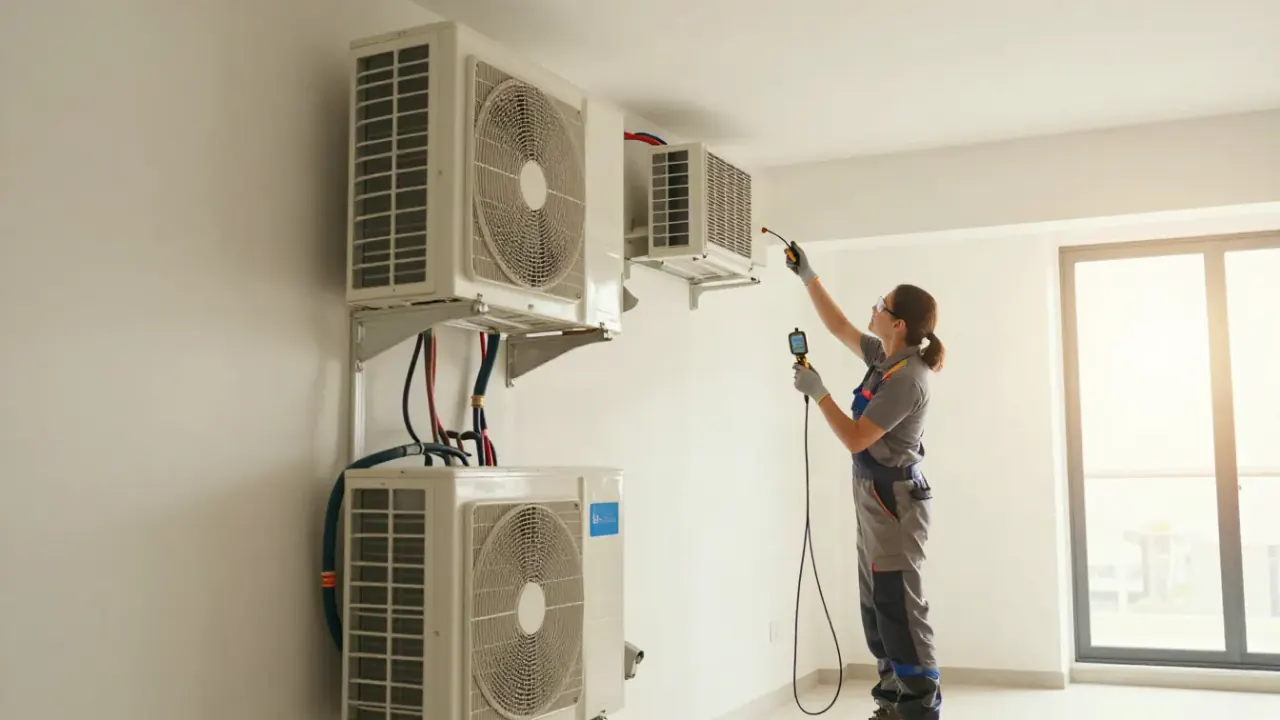
Heat-mode fault codes frequently trace to a reversing valve, defrost sensor, or low refrigerant charge. Our diagnostics isolate the cause so your Rosenberg system returns to reliable heating without replacing parts that still test good.
View service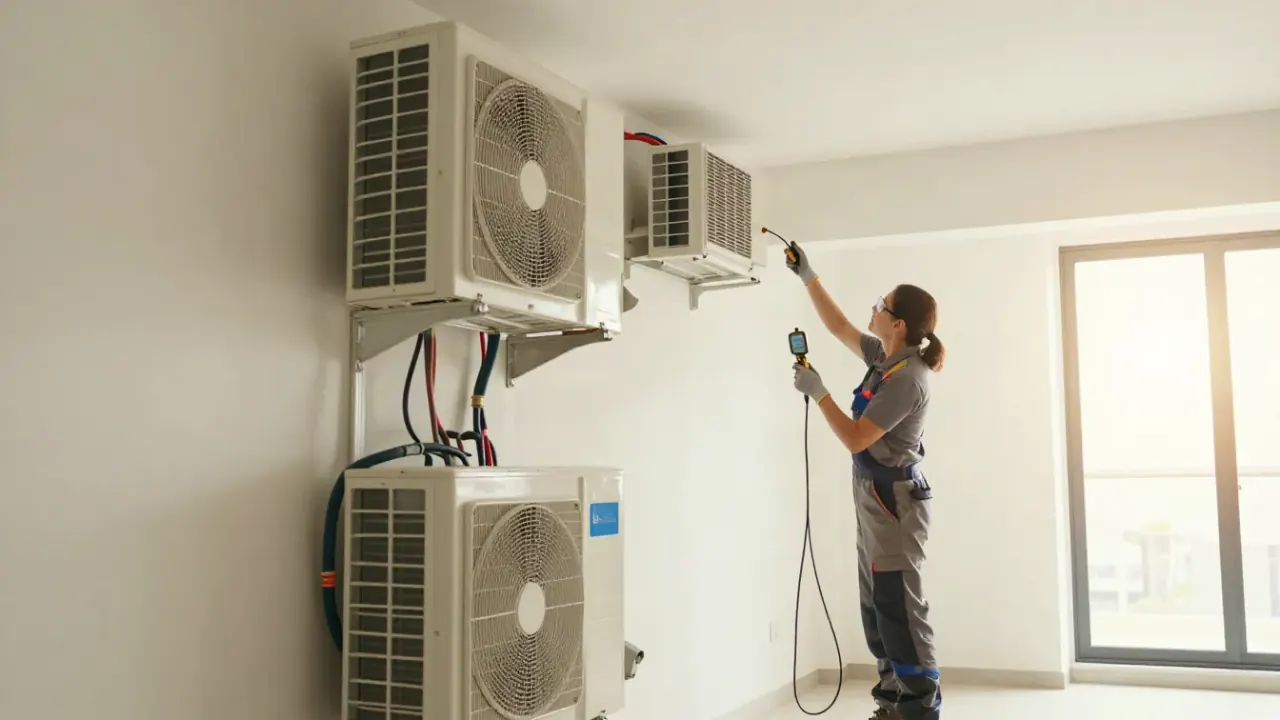
Many fault codes are low-charge warnings. We use a leak detector and nitrogen pressure test to find the leak, repair the flare fitting or line set, then evacuate with a vacuum pump and micron gauge before recharging with R-410A or R-32.
View service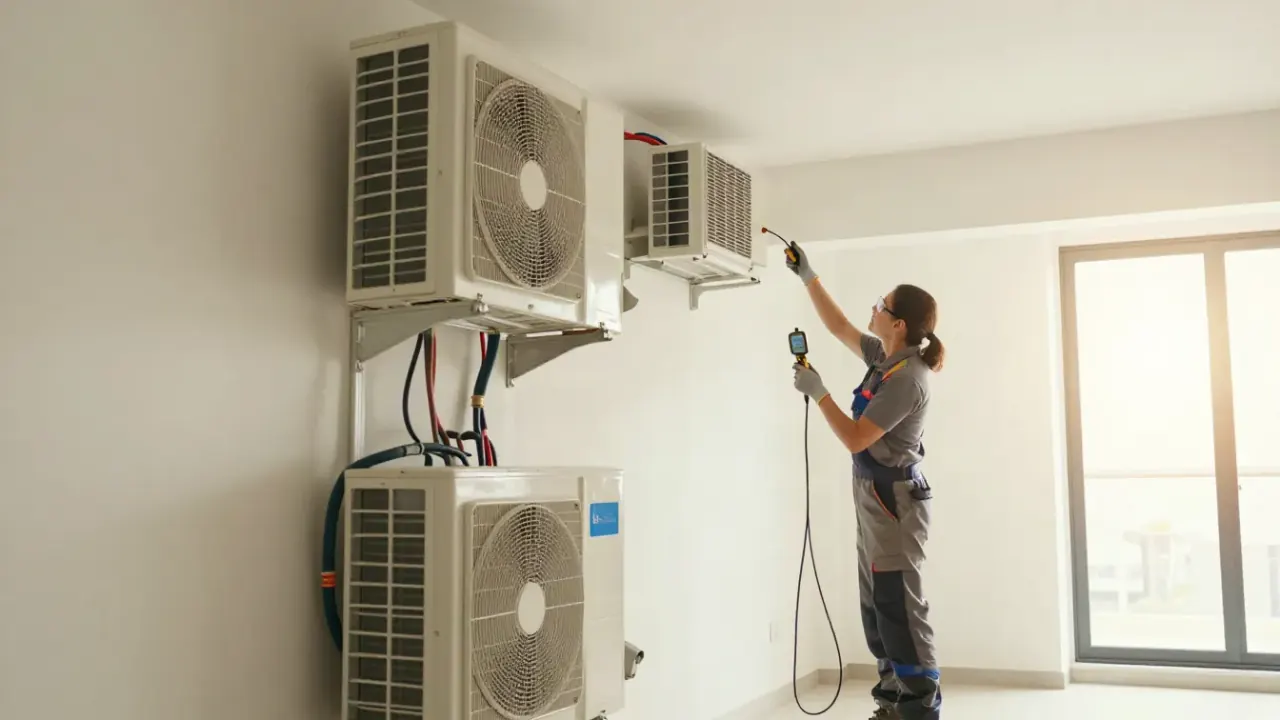
A frozen evaporator coil triggers airflow and temperature fault codes. We thaw the coil, find the cause, whether it is a clogged air filter, low charge, or blower fault, and restore proper airflow so the code does not return.
View service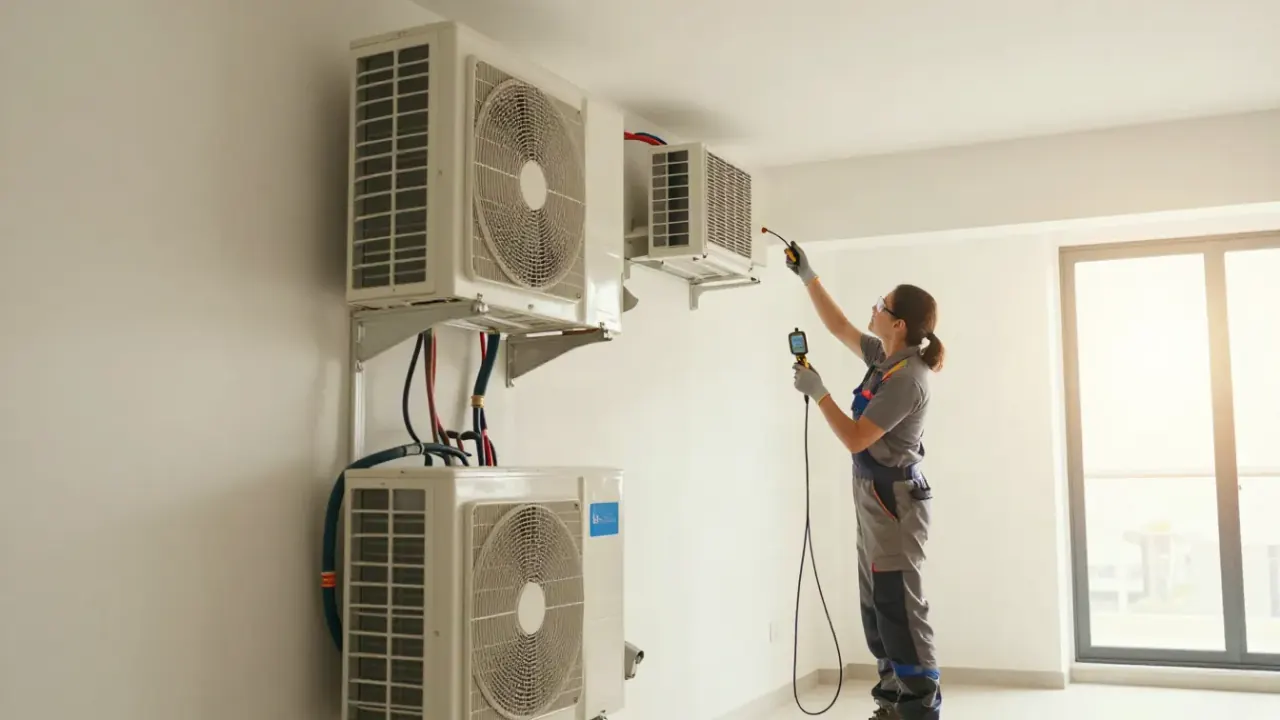
Call (281) 738-1427 or send us a message and we'll get back to you fast. We're open Monday through Friday, 8am to 6pm, and we take emergency calls for no-cool situations. If your unit quit on a weekend, leave a message and we'll call you back first thing.